

| Most common repair tool | Cordless drill/driver (Widely cited by home improvement professionals) |
| Recommended hammer weight for general use | 16 oz (claw hammer) |
| Tape measure length for most homeowners | 25 feet |
| Hazardous work requiring a licensed professional | Electrical panels, gas lines, structural changes, most roofing (Per standard building code practices) |
| Essential caulk types to stock | Paintable (interior trim) and silicone (wet areas) |
Why the Right Tools Make All the Difference
Most home repairs don't require a truck full of specialized equipment - they require a handful of quality tools used correctly. The problem most homeowners run into isn't skill; it's reaching for a butter knife to drive a screw or using the wrong-sized wrench and rounding off a nut. Building a solid baseline toolkit before something breaks means you're solving the problem, not improvising around it.
If you're just getting started with home maintenance, see our introduction to home repairs for first-time owners for a broader orientation. This guide focuses specifically on the tools themselves - what each one does and why it earns a place in your home.
| Most common repair tool | Cordless drill/driver (Widely cited by home improvement professionals) |
| Recommended hammer weight for general use | 16 oz (claw hammer) |
| Tape measure length for most homeowners | 25 feet |
| Hazardous work requiring a licensed professional | Electrical panels, gas lines, structural changes, most roofing (Per standard building code practices) |
| Essential caulk types to stock | Paintable (interior trim) and silicone (wet areas) |
The Core Hand Tools Every Home Needs
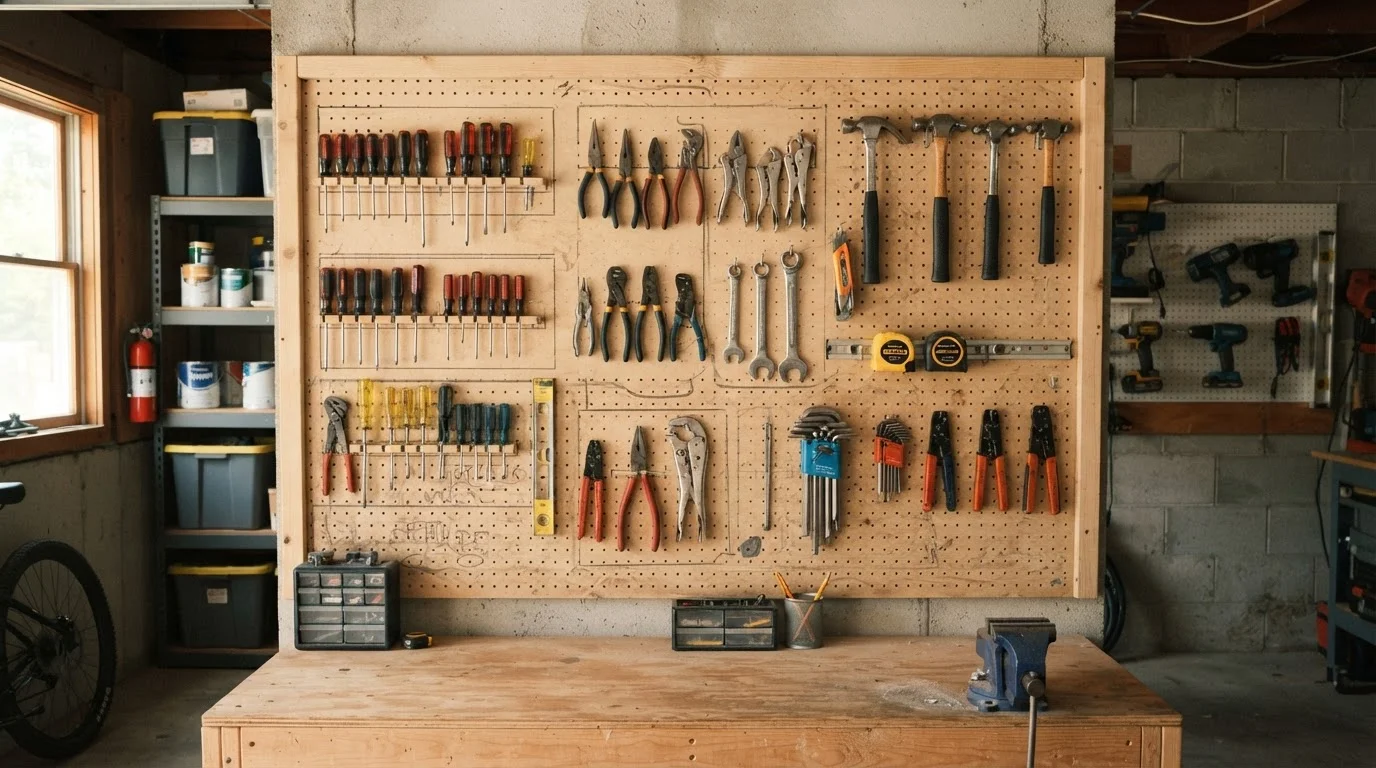
These are the tools that handle the widest range of everyday repairs. Prioritize these before anything else.
- Claw hammer (16 oz): Drives and pulls nails, taps parts into place, and handles light demo work. A smooth face is more versatile than a waffle face for general use.
- Screwdriver set: You need both flathead and Phillips head in at least two sizes each. Many repairs fail because the driver doesn't fit the screw head properly, stripping it.
- Adjustable wrench (10-12 inch): Covers most nut-and-bolt work around the house without needing a full socket set.
- Needle-nose pliers and slip-joint pliers: Needle-nose reaches into tight spots and bends wire; slip-joint handles a wider grip range for general fastening and gripping.
- Utility knife: Cuts drywall, carpet, caulk, and packaging. Replace the blade regularly - a dull blade requires more force and causes more accidents.
- 25-foot tape measure: Essential for everything from hanging pictures level to measuring for replacement fixtures. Understanding fractional markings makes a real difference; our article on tape measure fundamentals explains the basics clearly.
- 4-foot level: Keeps shelves, frames, and fixtures from looking crooked. A torpedo level (9-inch) is also useful for tighter spaces.
- Rubber mallet: Seats furniture joints, tiles, and flooring without marring surfaces the way a metal hammer would.
Pilot hole
A small hole drilled before driving a screw or nail into wood. It prevents the wood from splitting and makes driving the fastener easier and more accurate.
Toggle bolt
A two-part wall anchor that opens behind drywall to distribute weight over a wider area. Used for mounting heavier objects where there is no stud behind the wall.
PTFE tape
Also called plumber's tape or thread seal tape, this thin white tape is wrapped around pipe threads before connecting fittings to create a watertight seal and prevent leaks.
Oscillating multi-tool
A power tool with a blade or accessory that vibrates rapidly back and forth, allowing it to cut, sand, or scrape in tight spaces where other tools cannot reach.
Caulk
A flexible sealant applied along joints and gaps between surfaces to block air, water, or pests. Paintable caulk works for interior trim; silicone caulk is used in wet areas.
Power Tools Worth Adding Early On
You don't need a full workshop, but two power tools cover a surprisingly wide range of jobs:
- Cordless drill/driver (18V): Drives screws far faster and with more control than a manual screwdriver, and doubles as a drill for pilot holes and anchors. This is the single most useful power tool for household repairs.
- Oscillating multi-tool: Cuts, sands, and scrapes in tight spots where other tools can't reach. Useful for trimming door casings, cutting out damaged drywall sections, and removing old caulk or grout.
A circular saw becomes worthwhile once you're cutting lumber or sheet goods regularly - but it's not a day-one purchase for most homeowners. Always follow all safety guidelines when using power tools, and consult the manufacturer's instructions before operating any unfamiliar equipment.
Safety First With Power Tools
Always wear safety glasses when drilling, cutting, or driving fasteners - debris and broken bits can travel at speed. Keep fingers away from blade paths, secure your workpiece before cutting, and unplug or remove the battery from any power tool before changing blades or bits. When in doubt about a task's safety, stop and consult a qualified professional.
Supplies and Fasteners to Keep on Hand
Tools only get you so far. Having the right consumables stocked means you can finish a repair without a mid-project hardware store run.
- Assorted screws and anchors: Wood screws (1¼", 1⅝", 2½"), drywall anchors (for pictures and light fixtures), and toggle bolts for heavier wall loads.
- Painter's tape and masking tape: Protects surfaces during painting and marks cut lines clearly.
- Paintable caulk and silicone caulk: Paintable caulk seals trim gaps; silicone handles wet areas like around tubs, sinks, and windows.
- Sandpaper (80, 120, 220 grit): Three grits cover rough shaping, smooth finishing, and prep for paint or stain.
- Wire nuts and electrical tape: Useful for minor fixture swaps - though any work involving your home's wiring beyond basic fixture replacement should be handled by a licensed electrician.
- Duct tape and plumber's tape (PTFE): Temporary fixes and thread sealing on pipe fittings.
Keeping all of this in a single, organized toolbox or bag saves real time. For a view of how toolkit readiness fits into broader home upkeep, our month-by-month home maintenance calendar is a useful companion resource.
Knowing When Your Toolkit Isn't Enough
Even a well-stocked toolkit has limits. Electrical panel work, gas line repairs, structural modifications, and most roofing jobs are areas where a licensed professional isn't optional - they're the responsible choice. Permits and inspections are commonly required for these projects; always verify local requirements before starting any significant repair or renovation.
Our article on repairs homeowners commonly overestimate is a candid resource for identifying where the line sits. And before you pick up any tool, it's worth running through a pre-project safety checklist to reduce the risk of injury or costly mistakes.
3 in 4
U.S. homeowners who attempt DIY repairs
According to HomeAdvisor's State of Home Spending surveys, a large majority of homeowners take on at least some repairs themselves each year.
~$300-$600
Estimated cost to build a solid starter toolkit
General industry estimates for a quality set of core hand tools and a cordless drill; costs vary by brand and retailer.