

Key Takeaways
Annual Wellness Exam
An annual wellness exam is a routine veterinary appointment scheduled once a year - or more often for seniors and young animals - where a vet performs a head-to-tail physical assessment of your pet. The goal is to establish what's normal for your individual animal, identify early warning signs of illness, and update preventive care like vaccines and parasite control. It's not just a vaccination stop; it's a comprehensive health check.
Vets use the term 'wellness exam' to distinguish it from a sick visit. Even pets that appear healthy benefit from these exams, as many conditions - including dental disease, heart murmurs, and early kidney changes - often show no outward signs until they're advanced.
What Happens During a Routine Exam
Most annual wellness visits follow a predictable structure, though the specifics vary by species, age, and your pet's health history. Here's what you can generally expect when you walk through the clinic door.
The appointment typically begins with a technician recording your pet's weight, temperature, pulse, and respiratory rate. These baseline vitals matter - a pattern of gradual weight gain or loss can signal a health change long before other symptoms appear. For more on how weight connects to overall health, see our guide on how vets assess body condition.
The vet then performs a hands-on physical exam, typically moving from nose to tail:
- Eyes and ears: Checked for discharge, redness, cloudiness, or signs of infection.
- Mouth and teeth: The most commonly overlooked area - dental disease affects the majority of pets over age three and can impact organ health if left untreated.
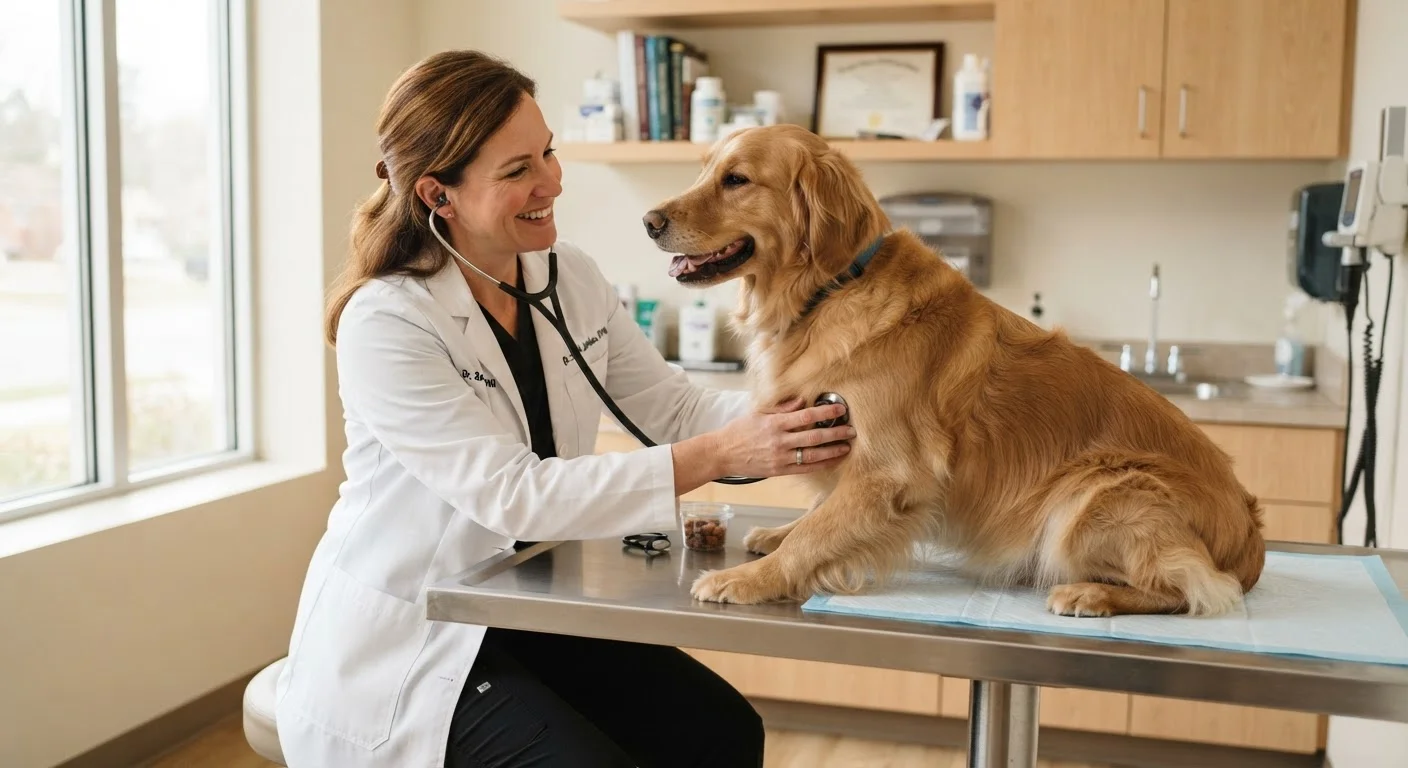
- Heart and lungs: Listened to with a stethoscope to detect murmurs, irregular rhythms, or abnormal breath sounds.
- Abdomen: Palpated to feel for organ size, pain, or unusual masses.
- Skin, coat, and lymph nodes: Assessed for lumps, parasites, inflammation, or swelling.
- Joints and mobility: Observed and felt for pain or stiffness, especially in older animals.
Vaccines and parasite prevention are also reviewed and updated as needed. For a full breakdown of which vaccines are considered essential, see our article on core vs. non-core pet vaccinations.
Bring a Fresh Stool Sample
Many vets recommend a fecal exam at least once a year to screen for intestinal parasites, some of which show no outward signs. A fresh sample collected within a few hours of the appointment is ideal. Check with your clinic ahead of time - not all annual visits require one, but it's worth asking.
Why Early Detection Changes Everything
One of the most valuable things an annual exam offers is a documented health baseline. When a vet sees your pet year after year, they can spot trends - a heart murmur that's grown louder, a kidney value that's drifted higher, a lump that's changed size. These shifts rarely announce themselves with obvious symptoms until a condition is well advanced.
Conditions commonly caught early through routine exams include:
- Dental disease and tooth root infections
- Early-stage kidney or liver changes (often detectable through bloodwork)
- Thyroid dysfunction in cats
- Heart murmurs in dogs
- Diabetes
- Masses or tumors that are small and more manageable when found early
There's also a behavioral dimension. Owners sometimes normalize gradual changes - drinking a little more water, sleeping a bit longer, seeming slightly less playful - without recognizing them as potential symptoms. A vet conversation can help untangle what's aging-normal versus what warrants investigation. Our article on common pet health myths explores how easy it is to misread animal behavior.
Senior Pets Need More Frequent Visits
Dogs are generally considered senior around age 7, though large breeds age faster. Cats typically enter their senior years around age 10. At these life stages, twice-yearly wellness exams are commonly recommended because health changes can develop more quickly. Ask your vet when it makes sense to increase the frequency of checkups for your specific animal.
How to Make the Most of Each Visit
Vet appointments can feel rushed, especially in busy practices. A little preparation makes a real difference in what you walk away with.
Before the visit: Write down anything you've noticed - changes in appetite, drinking, bathroom habits, energy, or behavior. Note the frequency and duration of any symptoms. Don't dismiss things that seem minor; context from a trained observer is genuinely helpful to a vet.
During the appointment: Ask questions directly. Good ones include: Is my pet's weight appropriate? Are there any early signs I should monitor? Does anything in the exam concern you? What bloodwork, if any, would you recommend given my pet's age?
After the visit: Keep records. A folder - physical or digital - with vaccination dates, test results, and notes from each exam helps you track trends and gives any new vet a useful history to work from.
For a broader look at the day-to-day care areas that often slip through the cracks, explore the overlooked parts of pet care - dental hygiene, mental enrichment, and parasite prevention among them. These are topics worth raising at your annual visit if you haven't recently discussed them.
This article is for general informational purposes only and is not a substitute for professional veterinary advice. Always consult a licensed veterinarian for guidance specific to your pet's health needs.
~70%
Dogs over 3 with dental disease
The American Veterinary Medical Association notes that dental disease is one of the most common conditions identified during routine wellness exams in adult pets.
1 in 3
Pets will develop cancer in their lifetime
According to the American Veterinary Medical Association, cancer is among the leading causes of death in older pets, underscoring the value of regular physical exams for early detection.