

Key Takeaways
The Scale Is Only Part of the Story
When a pet steps on the scale at the vet's office, that number is useful - but it answers only one question. It doesn't tell you how much of that weight is fat versus lean muscle, whether the number is appropriate for your pet's particular build, or whether a five-pound shift actually matters for a 90-pound dog.
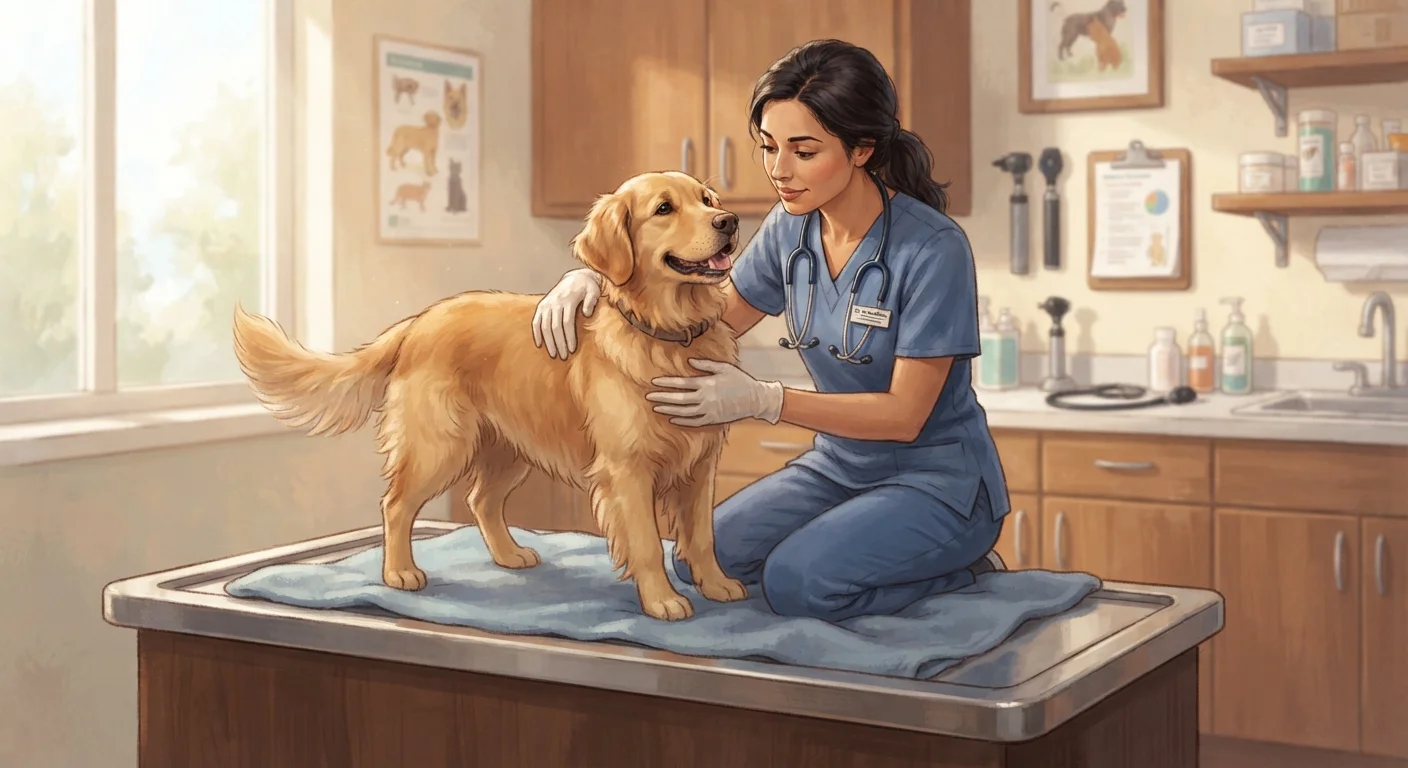
The real picture of a pet's weight health comes from a method called body condition scoring (BCS) - a structured, hands-on assessment that evaluates fat coverage over ribs, the waist when viewed from above, and the abdominal tuck when viewed from the side. Most vets use a 9-point scale, where 4-5 is considered ideal. You can read more about how this works in our guide on why a pet's weight is harder to judge than it looks.
This distinction matters enormously. A lean, muscular dog may weigh more than a breed average chart suggests - and still be perfectly healthy. Meanwhile, a small-framed cat can sit within a "normal" weight range while carrying excess fat. The numbers alone won't catch either situation.
Why Excess Weight Is a Health Issue - Not Just a Cosmetic One
It's easy to see a pleasantly round pet and feel reassured that they're well-fed and loved. But carrying extra body fat creates real physiological strain. In dogs and cats, chronic excess weight is associated with increased risk of orthopedic problems (including arthritis), type 2 diabetes, respiratory difficulties, certain cancers, and a measurably shorter lifespan.
59%
Dogs classified as overweight or obese
According to the Association for Pet Obesity Prevention's annual survey, more than half of U.S. dogs are assessed as overweight or obese by their veterinarians.
61%
Cats classified as overweight or obese
The same survey found that a similar proportion of U.S. cats are considered above a healthy weight - making feline obesity one of the most common preventable health problems in companion animals.
Joint stress is one of the most immediate concerns. Fat tissue isn't inert - it produces inflammatory compounds that can worsen existing joint disease and accelerate its progression. A pet who seems to be "slowing down with age" may actually be experiencing pain that is partly weight-related. Our article on early warning signs often mistaken for normal aging covers how to tell the difference.
The good news: even modest weight reduction in overweight pets - often just 10-15% of body weight - can produce meaningful improvements in mobility and comfort, according to veterinary guidance. Always work with your vet before beginning any weight-loss program for your pet.
Best Practices for Supporting a Healthy Weight
Whether your pet needs to lose weight, maintain it, or simply develop better habits, the following practices give you a reliable framework to work from - with your vet as your partner throughout.
Use body condition scoring to assess your pet at home between vet visits
Scale weight fluctuates and varies too much by breed and build to be a reliable solo indicator. BCS gives you a consistent, tactile method to detect fat accumulation early. Learning the basics helps you have more productive conversations with your vet.
Measure food portions by weight or volume, every time
"Eyeballing" portions is one of the most common causes of unintentional overfeeding. Even a modest daily surplus of calories adds up significantly over months. Consistent measurement removes guesswork from the equation.
Account for treats and extras in your pet's daily calorie budget
Treats, table scraps, and training rewards are frequently overlooked when owners assess how much their pet eats. These additions can represent a substantial percentage of a small pet's daily needs. What's in those extras matters too - understanding your pet's food label can help you evaluate calorie density.
Prioritize consistent, appropriate exercise over occasional bursts
Daily moderate activity supports muscle maintenance, joint health, and metabolic function better than infrequent intense exercise. Activity also supports mental wellbeing, which can reduce food-seeking behavior driven by boredom.
Work with your vet to set a realistic, gradual weight-loss timeline
Rapid calorie restriction can cause dangerous metabolic complications in pets - particularly hepatic lipidosis (fatty liver disease) in cats. A safe weight-loss rate for most pets is roughly 1-2% of body weight per month, under veterinary guidance.
This article provides general educational information about pet health and is not a substitute for veterinary advice. Always consult your veterinarian before making changes to your pet's diet, exercise routine, or health management plan.
Start Here: Quick Actions You Can Take Today
You don't need a complete overhaul to start moving in the right direction. These concrete steps can help you build momentum.
Consistency compounds over time. Small adjustments to feeding habits and daily activity often produce more durable results than any short-term intervention. And as your pet ages, their weight needs will shift - our overview of health changes that come with age in senior pets can help you stay ahead of those transitions.