

Key Takeaways
Home Maintenance Inspection
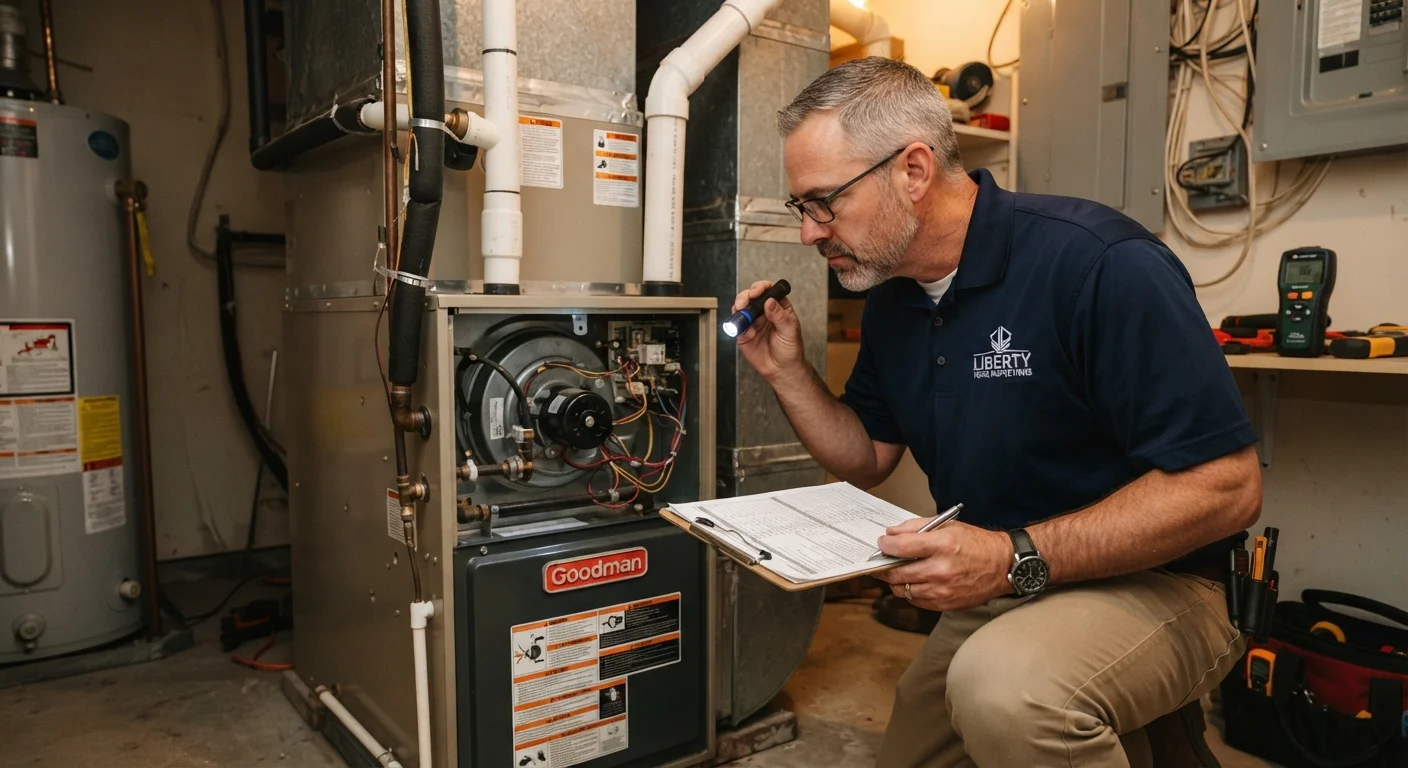
A home maintenance inspection is a systematic review of a home's major systems and structural components - roofing, plumbing, electrical, HVAC, and more - to identify wear, potential failures, or safety concerns before they become serious problems. Unlike a buyer's inspection tied to a real estate transaction, a maintenance inspection is something homeowners can schedule at any time as part of proactive upkeep. The goal is to catch small issues early, when repairs are generally simpler and less expensive.
Maintenance inspections are typically performed by licensed home inspectors and follow standards set by professional organizations such as ASHI (American Society of Home Inspectors) or InterNACHI, though the scope may vary by inspector and agreement.
Why Proactive Inspections Matter
Most homeowners only think about their home's systems when something stops working. A water heater fails on a cold morning. A ceiling stain appears after a storm. The furnace shuts off in January. Each of these surprises tends to cost far more - in money, stress, and disruption - than the same problem caught early during a routine check.
A home maintenance inspection flips that reactive habit into a proactive one. Instead of waiting for a failure, you systematically review the key systems that keep your home safe, comfortable, and structurally sound. Think of it like a wellness checkup: most of the time everything is fine, but the occasional flag caught early is exactly what makes the visit worthwhile.
If you're new to homeownership or building a maintenance routine from scratch, this guide for first-time owners is a strong starting point alongside your inspection findings.
1 in 3
Homeowners caught off guard by major repair costs
According to a survey by HomeAdvisor, roughly one-third of homeowners report being surprised by an unexpected major repair in any given year, underscoring the value of proactive inspection.
$1,000+
Average cost of a reactive emergency plumbing repair
Industry estimates from plumbing trade associations suggest emergency plumbing calls commonly exceed $1,000, compared to much lower costs when leaks or pipe issues are caught during routine inspection.
15-20 years
Typical lifespan of a residential asphalt shingle roof
The National Roofing Contractors Association cites 15-20 years as a general benchmark, making roof condition one of the most time-sensitive items a maintenance inspection monitors.
What Inspectors Actually Examine
A thorough maintenance inspection typically covers the following areas:
- Roof and attic: Inspectors look for damaged, missing, or aging shingles; compromised flashing around chimneys and vents; signs of water intrusion; and attic ventilation and insulation adequacy.
- Exterior and foundation: This includes siding condition, grading (whether the ground slopes away from the foundation), cracks in masonry or concrete, and the condition of driveways and walkways.
- Plumbing: Visible supply and drain lines are checked for corrosion or leaks. Water pressure, water heater condition and age, and visible signs of moisture under sinks are all noted.
- Electrical system: The inspector reviews the main panel for proper breaker sizing, signs of overheating or double-tapping, visible wiring condition, and the presence of GFCI protection in wet areas like kitchens and bathrooms.
- HVAC systems: Heating and cooling equipment is evaluated for age, filter condition, and visible wear. Ductwork, thermostat function, and combustion equipment safety are also reviewed.
- Interior components: Doors, windows, ceilings, walls, and floors are checked for signs of water damage, structural movement, or excessive wear.
- Crawl space or basement: These areas are inspected for moisture, mold, pest activity, and structural integrity. Whether your home has a crawl space or basement significantly affects what inspectors focus on below grade.
Prepare Your Home Before the Inspector Arrives
Clear access to the attic hatch, electrical panel, water heater, and any crawl space entry points before your inspection appointment. Inspectors can only evaluate what they can safely access - blocked areas may be noted as uninspected in the report. Having appliance manuals and recent repair records on hand can also help the inspector understand your home's history.
Older Homes Require Extra Attention
If your home was built before current building codes were established, a maintenance inspection takes on added importance. Older homes may contain materials or systems - knob-and-tube wiring, galvanized steel pipes, original single-pane windows, or aging insulation - that perform differently from modern equivalents and may require specialized evaluation or earlier replacement.
An inspector familiar with older construction can flag issues that wouldn't appear on a standard checklist for newer homes. Older homes often have hidden maintenance needs that go unnoticed until a thorough inspection surfaces them.
What Inspectors Do Not Do
Understanding the limits of a maintenance inspection helps you use the results appropriately. Inspectors observe and report - they do not repair, test behind finished walls, or guarantee that no problems exist beyond what's visible. Their written report is a snapshot of conditions on a given day, not a warranty.
After receiving your inspection report, prioritize items flagged as safety concerns or active defects first. Work with licensed contractors for electrical, gas, structural, and major plumbing issues. Knowing which repairs to handle yourself versus when to call a pro is a decision every homeowner will face repeatedly.
Permits and Codes May Apply to Follow-Up Work
Some repairs identified during an inspection - particularly electrical upgrades, structural changes, or significant plumbing work - may require permits and inspections by your local building authority before or after work is completed. Requirements vary by municipality. Always verify local permitting rules with your contractor or local building department before starting regulated work.
Pairing Inspections With a Maintenance Calendar
An inspection report is most useful when it feeds into an ongoing maintenance routine. Use the findings to update your maintenance schedule - addressing flagged items while also keeping up with seasonal tasks that prevent new problems from developing.
A month-by-month home maintenance calendar can help you organize inspection follow-ups alongside routine tasks like gutter cleaning, HVAC filter changes, and weather-stripping checks. After winter, a dedicated spring walkthrough is a practical companion to any formal inspection, catching weather-related wear before it compounds into larger repairs.
“Deferred maintenance is the most expensive kind. Every dollar of small repair that gets ignored typically becomes three or four dollars of larger repair within a few years.”
— Carson Dunlop, Home inspection education and training organization