

Key Takeaways
Associated with lower cardiovascular disease risk
Diets high in whole plant foods are consistently linked to lower LDL cholesterol and blood pressure. Major health organizations, including the American Heart Association, recognize plant-rich eating patterns as heart-protective.
High fiber content supports digestive health
Plant foods are the primary source of dietary fiber, which supports bowel regularity, feeds beneficial gut bacteria, and is associated with reduced risk of colorectal cancer. Most Americans fall well short of recommended fiber intake.
Linked to better blood sugar management
Research suggests that plant-based diets - particularly those low in refined carbohydrates - are associated with improved insulin sensitivity and a lower risk of developing type 2 diabetes.
Rich in protective micronutrients and antioxidants
Fruits, vegetables, and legumes provide a broad array of vitamins, minerals, and phytonutrients that support immune function and are associated with reduced chronic disease risk.
Whole-food staples can be very cost-effective
Dried beans, lentils, oats, and seasonal produce are among the most affordable items in any grocery store, making a budget-conscious plant-based diet genuinely accessible.
Vitamin B12 is absent from plant foods
B12 is produced by microorganisms and found primarily in animal products. Anyone eating a fully plant-based diet needs to rely on fortified foods or supplementation - deficiency can cause serious neurological and blood problems.
Plant iron is less bioavailable
Non-heme iron found in legumes and leafy greens is absorbed at a lower rate than heme iron from meat. People with higher iron needs - including menstruating individuals and pregnant women - need to be especially attentive.
Complete protein requires deliberate combining
Most plant proteins lack one or more essential amino acids. Eating a varied mix of legumes, grains, nuts, and seeds throughout the day generally addresses this, but it does require more nutritional awareness than simply eating meat.
Processed plant-based products can be misleading
Many packaged meat and dairy alternatives are highly processed and high in sodium or saturated fat. "Plant-based" on a label doesn't automatically mean healthier.
Social and practical friction is real
Eating out, attending social events, or traveling can be noticeably harder on a strict plant-based diet. This friction causes many people to abandon the approach, so realistic planning matters.
Our Verdict
Plant-based eating offers meaningful health benefits supported by a substantial body of nutritional research, particularly for cardiovascular and metabolic health. However, it isn't a one-size-fits-all solution - nutrient gaps are real and require active management. For most people, the goal doesn't have to be perfection; even shifting the balance of your plate toward more whole plant foods can make a positive difference.
Best suited for adults who are motivated to plan meals thoughtfully, comfortable learning some nutritional basics, and interested in long-term health outcomes rather than a quick fix.
What Does "Plant-Based" Actually Mean?
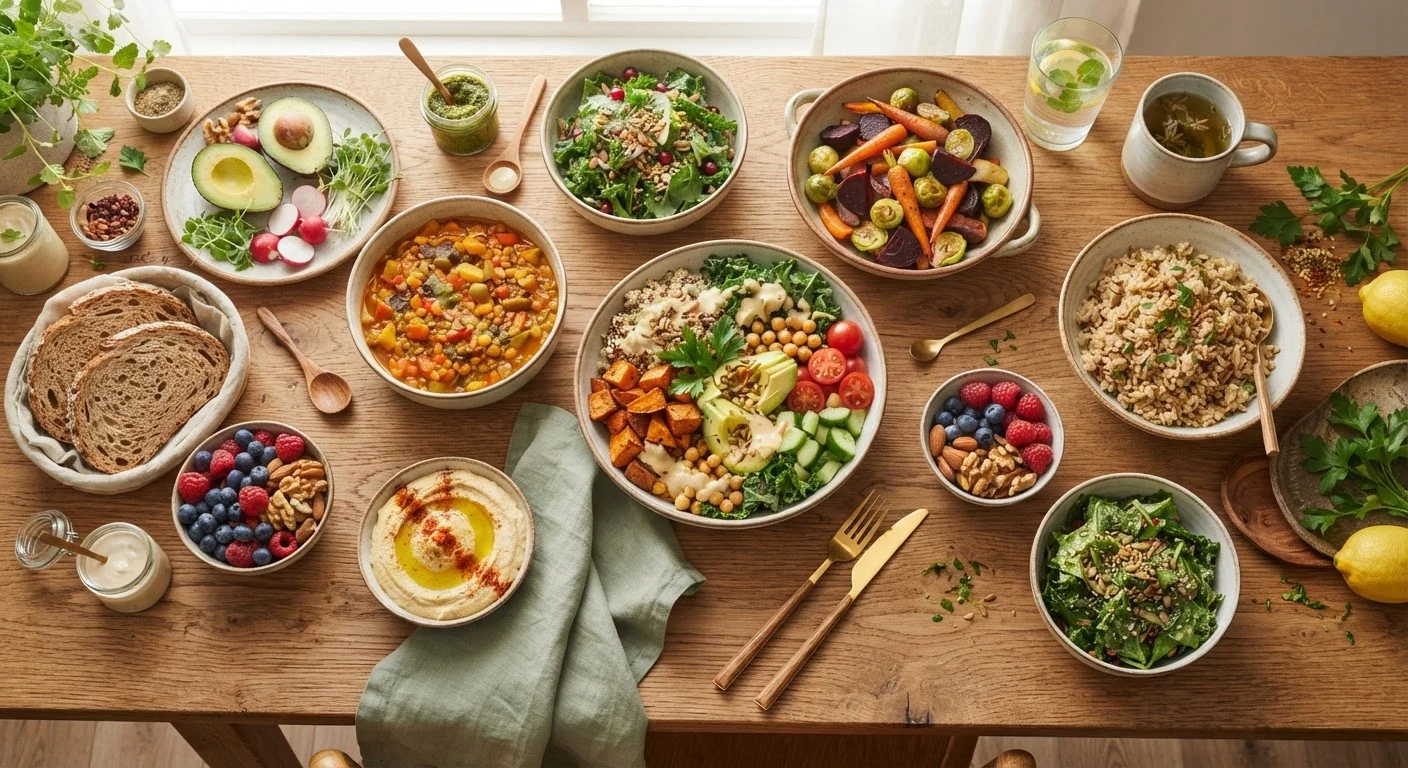
The term "plant-based" gets used loosely, so it helps to establish what it actually covers. At one end of the spectrum is a fully vegan diet - no animal products of any kind. At the other end, it simply describes an eating pattern where vegetables, fruits, legumes, whole grains, nuts, and seeds form the foundation, with animal foods playing a smaller or optional role.
This flexibility matters because the research on plant-based diets doesn't apply only to strict vegans. Studies consistently show that diets emphasizing whole plant foods - even when they include some fish, eggs, or dairy - carry many of the same health associations as fully plant-exclusive diets. If you're curious about how your protein choices stack up, our guide to animal vs. plant protein sources breaks down the nutritional differences in practical terms.
Associated with lower cardiovascular disease risk
Diets high in whole plant foods are consistently linked to lower LDL cholesterol and blood pressure. Major health organizations, including the American Heart Association, recognize plant-rich eating patterns as heart-protective.
High fiber content supports digestive health
Plant foods are the primary source of dietary fiber, which supports bowel regularity, feeds beneficial gut bacteria, and is associated with reduced risk of colorectal cancer. Most Americans fall well short of recommended fiber intake.
Linked to better blood sugar management
Research suggests that plant-based diets - particularly those low in refined carbohydrates - are associated with improved insulin sensitivity and a lower risk of developing type 2 diabetes.
Rich in protective micronutrients and antioxidants
Fruits, vegetables, and legumes provide a broad array of vitamins, minerals, and phytonutrients that support immune function and are associated with reduced chronic disease risk.
Whole-food staples can be very cost-effective
Dried beans, lentils, oats, and seasonal produce are among the most affordable items in any grocery store, making a budget-conscious plant-based diet genuinely accessible.
The Real Trade-Offs Worth Knowing
A plant-based diet isn't nutritionally complete on autopilot. Several nutrients are either absent from or poorly absorbed from plant foods, and ignoring this can lead to genuine deficiencies over time.
Vitamin B12 is absent from plant foods
B12 is produced by microorganisms and found primarily in animal products. Anyone eating a fully plant-based diet needs to rely on fortified foods or supplementation - deficiency can cause serious neurological and blood problems.
Plant iron is less bioavailable
Non-heme iron found in legumes and leafy greens is absorbed at a lower rate than heme iron from meat. People with higher iron needs - including menstruating individuals and pregnant women - need to be especially attentive.
Complete protein requires deliberate combining
Most plant proteins lack one or more essential amino acids. Eating a varied mix of legumes, grains, nuts, and seeds throughout the day generally addresses this, but it does require more nutritional awareness than simply eating meat.
Processed plant-based products can be misleading
Many packaged meat and dairy alternatives are highly processed and high in sodium or saturated fat. "Plant-based" on a label doesn't automatically mean healthier.
Social and practical friction is real
Eating out, attending social events, or traveling can be noticeably harder on a strict plant-based diet. This friction causes many people to abandon the approach, so realistic planning matters.
Vitamin B12 is the most critical example - it's found almost exclusively in animal products, and anyone eating a fully plant-based diet should discuss supplementation with a healthcare provider. Iron from plant sources (non-heme iron) is also less readily absorbed than iron from meat, though pairing iron-rich foods with vitamin C can help. Similarly, omega-3 fatty acids from plants (ALA) convert inefficiently to the forms the body uses most (EPA and DHA). Our article on whole foods vs. supplements offers useful context on when dietary sources are sufficient and when a supplement actually fills a gap.
Dairy-Free Doesn't Mean Calcium-Free
Many people worry about calcium when removing dairy from their diet. While dairy is a concentrated calcium source, calcium is also found in fortified plant milks, tofu made with calcium sulfate, white beans, and leafy greens like kale and bok choy. If you're exploring plant-based milk options, our breakdown of dairy vs. plant-based milks covers the nutritional comparison in detail. Check labels carefully, as calcium content varies significantly between brands.
Practical Considerations for Everyday Life
Beyond nutrition, switching to or expanding plant-based eating involves real day-to-day adjustments. Meal planning becomes more important, especially early on. Understanding how to build a satisfying, filling plate without defaulting to meat takes some practice - our guide on building a balanced plate offers a practical framework that works regardless of which eating pattern you follow.
~5%
Americans who identify as vegan or vegetarian
Gallup polling has repeatedly found that roughly 5% of U.S. adults identify as vegetarian, with vegans making up a smaller subset - though far more Americans report reducing meat consumption.
~7g/day
Average American fiber intake vs. 25-38g recommended
According to data cited by the Dietary Guidelines for Americans, most U.S. adults consume well under half the recommended daily fiber - a gap that a plant-focused diet directly addresses.
Grocery habits also shift. While staple plant proteins like dried lentils, canned beans, and whole grains are among the most affordable foods available, highly processed plant-based convenience products - meat alternatives, packaged dairy-free items - can carry a significant price premium. Thoughtful shopping helps. Our piece on grocery shopping habits that support balanced eating covers evidence-informed strategies that apply whether you're plant-based or not. For those who find it useful to monitor their intake during the transition, nutrition tracking can surface gaps - though it comes with its own limitations worth understanding.
This article is for general informational and educational purposes only and is not a substitute for personalized nutrition or medical advice. Consult a registered dietitian or qualified healthcare professional before making significant changes to your diet, especially if you have an existing health condition.