

Key Takeaways
Why Iceland's Edges Deserve Your Attention
Iceland's Ring Road - Route 1 - is one of the world's great driving circuits, looping the entire island and delivering waterfall after glacier after hot spring in reliably stunning succession. That accessibility is also its limitation. In peak summer, popular stops like Skógafoss and the Blue Lagoon area draw enormous crowds, and the sense of raw discovery can be elusive.
Beyond the Ring Road lie three regions that most visitors never reach: the Westfjords peninsula in the northwest, the Eastfjords in the east, and the uninhabited Highlands interior. Each requires more planning, more vehicle capability, and more patience - and each pays back in proportion to what you bring. This guide gives you an honest picture of what to expect in each, so you can judge whether the added effort fits your travel style.
Timing Your Visit to Remote Regions
Summer (late June through August) offers the longest daylight hours and the best road access, but also the most competition for accommodation. Shoulder season - late May or September - can work well for the Westfjords and Eastfjords, with quieter roads and better chances of northern lights. The Highlands are generally inaccessible before late June regardless of year.
Iceland's Three Overlooked Regions
The Westfjords: Iceland's Most Remote Peninsula
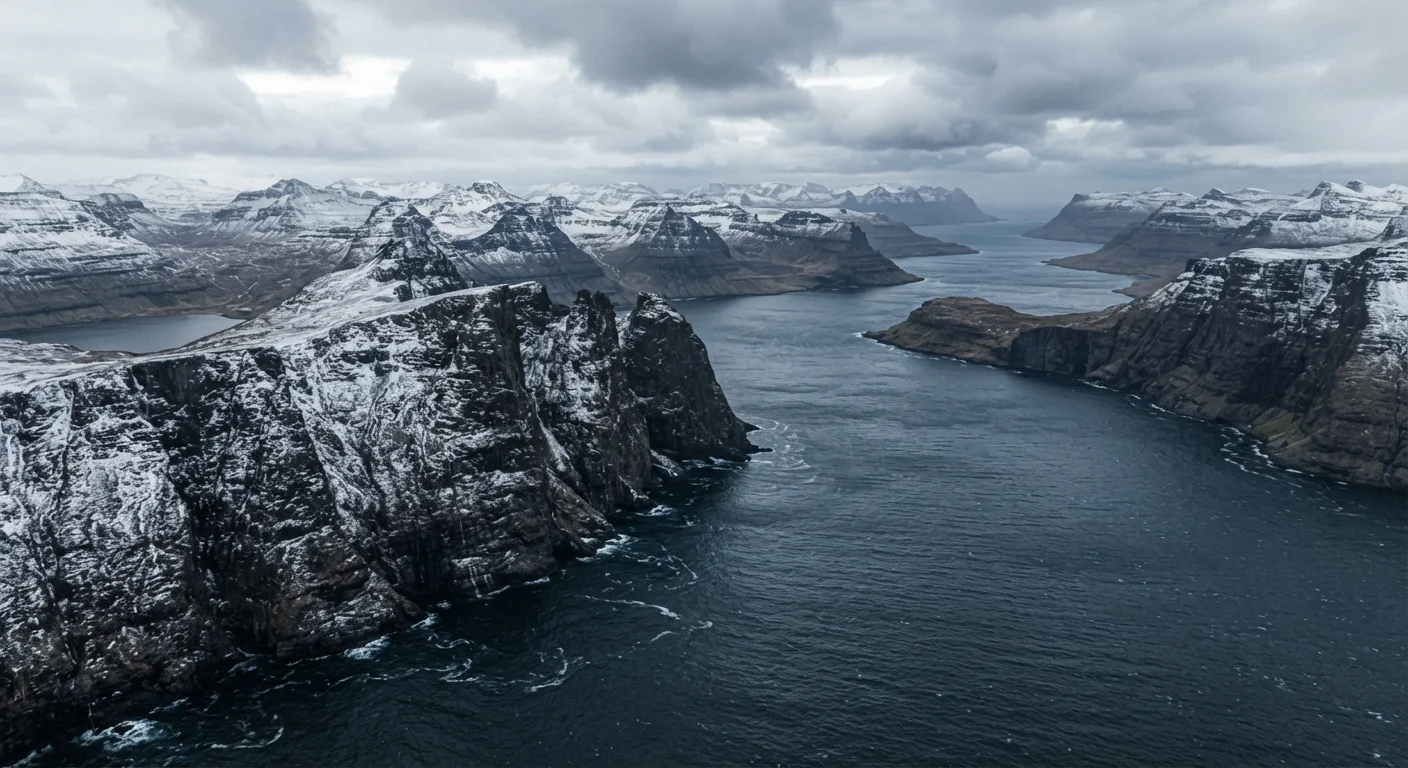
Jutting into the North Atlantic from Iceland's northwest corner, the Westfjords is the country's oldest and most geologically distinct region - a deeply indented landscape of narrow fjords, sheer bird cliffs, and flat-topped mountains. It accounts for roughly a quarter of Iceland's coastline but sees only a small fraction of its visitors.
The main draw for most travelers is Látrabjarg, Europe's largest seabird cliff, where puffins nest so densely in summer that you can observe them at arm's length. The Dynjandi waterfall - a cascading series of falls that fans out like a bridal veil - is among Iceland's most photogenic and feels genuinely uncrowded even in July. The Hornstrandir Nature Reserve, reachable only by ferry from Ísafjörður, is one of Europe's last truly wild hiking areas; no roads, no services, and Arctic foxes that show little fear of humans.
Getting here typically means a long drive from Reykjavík on roads that narrow to single lanes around blind fjord bends, or a short flight into Ísafjörður. Many interior roads are unpaved F-roads requiring 4WD. Allow at least three days; a week is more realistic if you want to explore more than one or two fjords.
Hornstrandir is one of Europe's last truly wild hiking areas - no roads, no services, genuine solitude.
The Eastfjords: Quieter, Greener, More Lived-In
The Eastfjords sit at the opposite end of Iceland from the Westfjords and have an entirely different character. Where the northwest feels elemental and edge-of-the-world, the east feels more pastoral - small fishing villages tucked into fjord heads, birch scrub on hillsides, and reindeer grazing in valleys. It's Iceland at a lower volume.
Seyðisfjörður is the region's most visited town and justifiably so: a rainbow-painted street leads to a historic blue church, and the surrounding fjord walls drop straight into water. It's also the terminus for the Smyril Line ferry from Denmark, which means some travelers arrive here before they see anywhere else in Iceland - a genuinely good way to ease into the country. Borgarfjörður Eystri, a smaller village to the north, is considered one of Iceland's best puffin-watching spots and the gateway to the Dyrfjöll mountain range, offering multi-day hiking with huts managed by the Ferðafélag Íslands (Icelandic Touring Association).
The Eastfjords are more accessible than the Westfjords - the Ring Road passes through the region - but many of the best fjords require detours on unpaved roads. Accommodation is available but limited; book ahead in summer.
Borgarfjörður Eystri is one of Iceland's top puffin-watching spots and a gateway to serious multi-day hiking.
The Highlands: Iceland's Interior Desert
The Highlands - known in Icelandic as the miðhálendi - are not a destination in the conventional sense. There are no towns, no services, and no paved roads. What there is: an enormous lava and ash plateau roughly the size of a small U.S. state, cut through by glacial rivers and dotted with geothermal areas of vivid color. Conditions are genuinely extreme, and every year travelers underestimate them.
The two main routes through the interior are the Kjölur route (F35) and the Sprengisandur route (F26), both requiring high-clearance 4WD vehicles capable of fording rivers. The Kjölur is considered the more approachable of the two and passes the Hveravellir geothermal area, where a hot spring pool sits improbably in the middle of a volcanic wasteland. Sprengisandur is starker - miles of grey sand and gravel with the Vatnajökull and Hofsjökull glaciers flanking the route.
The Highlands are typically accessible only from late June through early September, depending on snowmelt. Attempting F-roads outside this window - or in any vehicle not rated for them - is dangerous and illegal. The Icelandic Road Administration's road-opening announcements should be treated as firm guidance, not suggestions.
The Highlands are accessible only a few months a year - attempting F-roads outside that window is both dangerous and illegal.
The Snæfellsnes Peninsula: Not Quite Off the Beaten Path, But Worth It
Snæfellsnes is technically served by paved roads and reachable as a day trip from Reykjavík, so it doesn't qualify as truly remote - but it consistently sees far fewer visitors than the south coast and deserves mention for travelers who want dramatic scenery without committing to backcountry logistics.
The peninsula is dominated by the Snæfellsjökull glacier volcano, which Jules Verne famously used as the entrance to the earth's interior in his novel. The national park surrounding it protects lava fields, sea stacks, and bird cliffs. The small town of Stykkishólmur on the north coast makes a good base and is the departure point for ferry service to the Westfjords - a useful route for travelers combining both regions.
Snæfellsnes works well as a transitional experience: it introduces the scale and variety of Icelandic landscapes in a format that's manageable for first-time visitors, before they decide whether to push into genuinely remote territory.
Snæfellsnes bridges the gap between Iceland's accessible south coast and the genuinely remote regions further afield.
Practical Logistics Across All Remote Regions
A few realities apply across all of these areas, regardless of which you choose:
- Vehicle requirements: A 4WD vehicle is necessary for Highlands F-roads and strongly recommended for the Westfjords. Standard 2WD rental cars are not covered by insurance on F-roads - check your rental agreement carefully.
- Fuel: Gas stations are sparse and may be unstaffed (card-operated). Fill up whenever you can, and carry a rough map of fuel stop locations.
- Weather: Icelandic weather can change from clear to zero-visibility within an hour. Layered, waterproof clothing and a conservative attitude toward exposed hiking are non-negotiable.
- Accommodations: Options range from guesthouses to mountain huts (managed by touring associations) to campgrounds. Book well in advance for summer travel; some huts require membership or advance reservation through Ferðafélag Íslands.
- Emergency preparedness: Iceland has excellent search and rescue services, but response times in remote areas can be long. Carry a satellite communicator if you're traveling into the Highlands or Hornstrandir.
Fill up at every fuel station you pass - in remote Iceland, the next one may be hours away.
F-Roads and Rental Car Insurance
In Iceland, roads designated with an 'F' prefix are classified as mountain roads and are legally off-limits to standard 2WD vehicles. Most rental car insurance policies explicitly exclude F-road damage, meaning even minor incidents can result in significant out-of-pocket costs. Verify your specific policy terms with your rental provider before booking, and ask in writing which roads are covered.
Planning Realistically Before You Go
Visiting any of these regions demands honest self-assessment. Road conditions can change within hours in Iceland, and the country's remoteness means that mechanical trouble or a wrong turn is a genuine inconvenience rather than a minor annoyance. Always check the Icelandic Road and Coastal Administration (Vegagerðin) website for road status before setting out each day, and register your itinerary with the Icelandic Association for Search and Rescue (ICE-SAR) if you plan extended backcountry travel.
Budget-conscious travelers should know that Iceland is expensive regardless of region - the remoteness of the Westfjords or Eastfjords does not translate into cheaper lodging. If you're weighing international options, understanding how different regions of a country can diverge in experience and logistics applies just as much here as it does in Greece. And if Iceland's price point gives you pause, domestic destinations can offer comparable wilderness experiences at a fraction of the cost.
Travel conditions, road closures, and entry requirements change frequently. Always verify current information with official Icelandic government sources and your accommodation providers before travelling.