

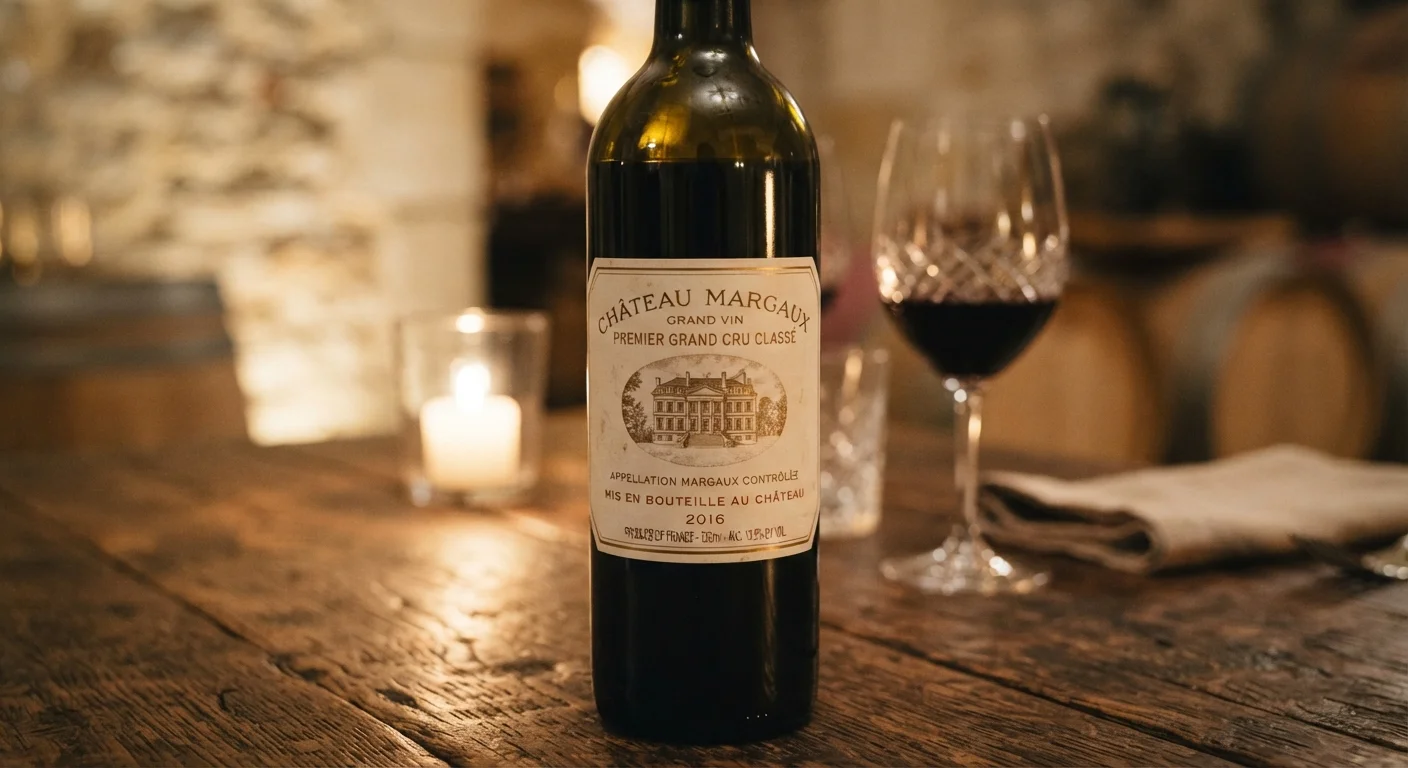
Key Takeaways
Why Wine Labels Feel Confusing - And Why They Don't Have To
Wine labels borrow vocabulary from three or four different languages, reflect regulations that vary by country, and often omit information that seems obvious - like the grape variety. It's no wonder shoppers default to the familiar or pick based on label design alone.
The good news: you don't need to become an expert to shop smarter. Wine labels follow consistent patterns once you know what to look for. Think of it the same way you'd approach decoding any dense product label - like learning what the Nutrition Facts panel is actually telling you, the skill pays off every time you use it.
The six fields below cover the vast majority of what you'll encounter on any bottle, from a $12 weeknight red to a special-occasion splurge.
What you will need
What to Look For on Every Label
Before diving into the steps, it helps to know which fields carry real weight and which are mostly decorative. Here's a quick reference:
- Producer name: Who made it
- Varietal or region: What grape(s) and where they're from
- Vintage: Harvest year
- Appellation: Legal geographic origin
- ABV: Alcohol content and body signal
- Back label notes: Producer's flavor description
Everything else - awards, illustrations, estate descriptions - is supplementary. Focus on those six and you'll have the information you need.
Wine bottle or label photo
Gives you a real label to practice reading as you work through each term.
Smartphone with a wine app or search browser
Lets you look up unfamiliar appellations or producers on the spot at the store.
Ready to walk through each one? The steps below break down each field in order of importance.
Identify the producer name
The producer - sometimes called the winery or estate - is almost always the largest, most prominent text on the label's front. This is the company or family that made the wine. Getting familiar with producers you enjoy is one of the fastest ways to shop with confidence over time.
Locate the varietal or region
This is where Old World and New World wines diverge. New World wines (from the U.S., Australia, Argentina, South Africa, and similar countries) typically lead with the grape variety - Chardonnay, Merlot, Syrah. Old World wines (France, Italy, Spain, Germany) usually name the region instead - Burgundy, Chianti, Rioja - and expect you to know which grapes grow there.
If you see a place name and no grape name, a quick search on your phone will tell you the traditional varieties from that area.
Read the vintage year
The vintage is the year the grapes were harvested - not when the wine was bottled or released. For most everyday drinking wines, a recent vintage within three to five years is perfectly appropriate. The vintage becomes more important when you're considering aging potential or paying a premium for a wine from a celebrated growing year in a specific region.
If there's no vintage on the label, the wine is likely a non-vintage (NV) blend designed for consistent flavor year to year - common in Champagne and some ports.
Find the appellation
The appellation - or AVA on U.S. bottles - tells you the legally defined geographic origin of the grapes. The more specific the appellation, the stricter the sourcing rules. A wine labeled Napa Valley must contain at least 85% grapes grown in Napa Valley. A wine labeled simply California can draw from anywhere in the state.
Specificity generally signals a more regionally expressive wine, though it doesn't guarantee quality on its own.
Check the alcohol by volume
Required by law on every U.S. wine label, the ABV percentage is printed in small type - often near the bottom. It's a fast, reliable proxy for the wine's body and style.
[tip_callout]Scan the back label for tasting notes
Most back labels include a short producer description covering flavor profile, food pairings, and winemaking approach. Take these notes with a grain of salt - they're written by the producer - but they can help orient first-time buyers to what's in the bottle. Look for concrete descriptors ("dark cherry, cedar, dry finish") rather than vague praise.
A Few Label Claims Worth Understanding
Beyond the core fields, a handful of terms appear regularly on American wine labels and carry specific - or sometimes misleading - implications.
"Reserve" Has No Legal Definition in the U.S.
Unlike in some European countries, the word "Reserve" on an American wine label carries no regulated meaning. Any producer can use it without meeting a specific standard. Treat it as a marketing term rather than a quality guarantee, and lean on the producer's reputation and the appellation instead.
"Estate Bottled" means the winery grew the grapes and made the wine on the same property within a single AVA. It's a regulated term that signals tighter control over the entire process.
"Old Vines" (or Vieilles Vignes on French labels) suggests grapes from older grapevines, which some winemakers argue produce more concentrated flavors. In the U.S., there's no legal minimum age for this claim.
"Contains Sulfites" Doesn't Mean Added Chemicals
All wines contain naturally occurring sulfites as a byproduct of fermentation. The U.S. requires a "contains sulfites" statement when total sulfite levels exceed 10 parts per million - a threshold virtually every wine crosses. If you have a diagnosed sulfite sensitivity, consult a healthcare professional; otherwise, this label is largely informational.
Learning to read labels is a form of consumer literacy that applies across categories. If you've ever worked through reading a vehicle history report or a supplement panel, you already know that most complex labels have a logical structure once you know which fields matter. Wine is no different - it just comes with a more interesting story in the bottle.