

Key Takeaways
High-Mileage Vehicle
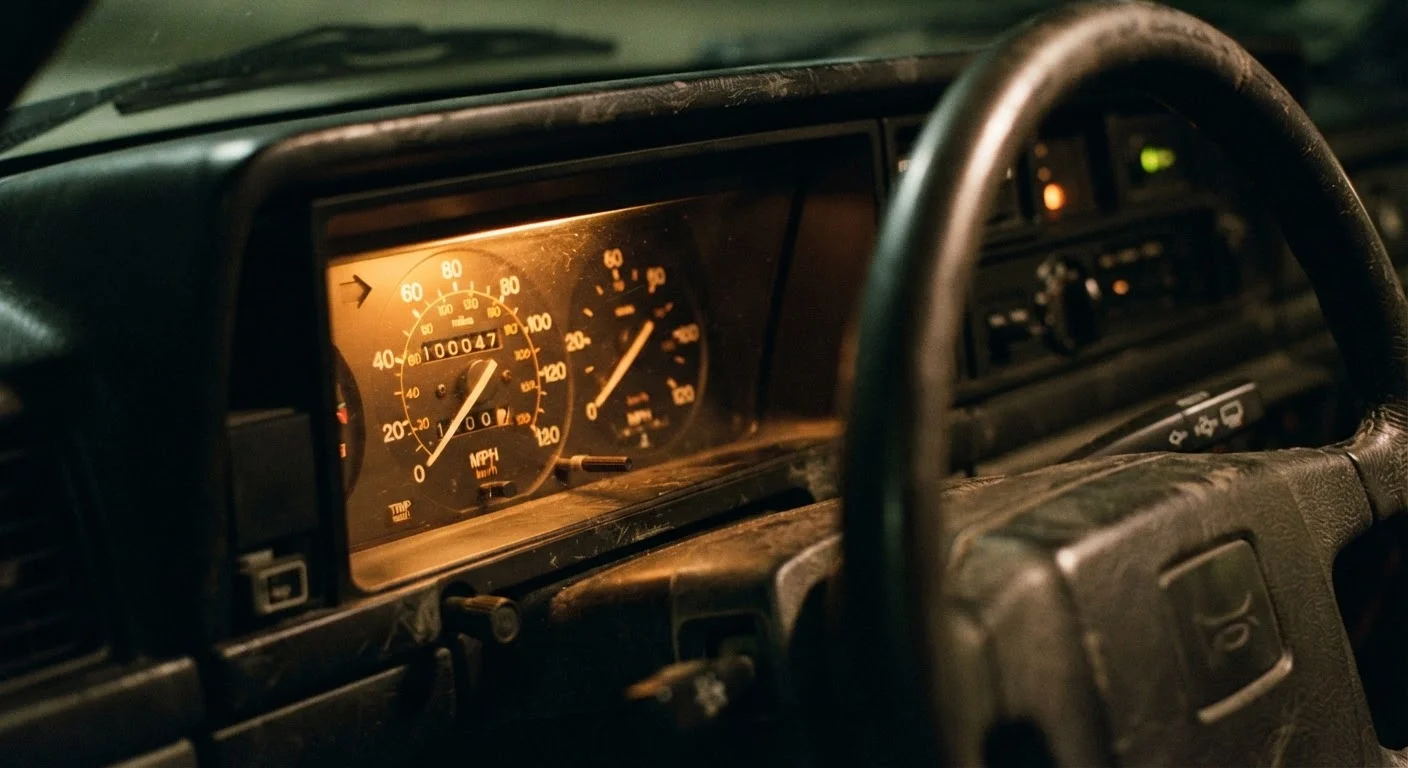
A high-mileage vehicle is generally defined as one with more than 100,000 miles on the odometer. At this threshold, certain components - seals, belts, hoses, and fluids - have experienced years of heat cycling and wear that changes how they should be monitored and serviced. These vehicles aren't necessarily unreliable, but they do require a more attentive maintenance approach than newer cars.
Some automakers and oil manufacturers set the high-mileage threshold at 75,000 miles for certain products and service recommendations, so consult your vehicle's owner's manual for model-specific guidance.
Why the 100,000-Mile Mark Matters
For decades, 100,000 miles was widely seen as the end of a vehicle's useful life. That perception has largely shifted as engineering and materials have improved - but the milestone still carries real significance. It's not that your car suddenly becomes unreliable overnight, but rather that the cumulative effects of heat, friction, and time start to express themselves more visibly in specific systems.
Rubber degrades, metal surfaces develop microscopic wear, and seals that once held fluid perfectly begin to allow minor seepage. Understanding which components are most vulnerable - and how to respond - is the difference between a vehicle that runs well into six-figure territory and one that becomes a money pit. If you're new to the ownership side of this equation, our guide for first-time car owners covers the foundational maintenance tasks worth understanding before diving into high-mileage specifics.
200,000+
Miles many modern vehicles can reach with consistent maintenance
Advances in engine design, materials, and lubricant technology have significantly extended the realistic lifespan of well-maintained vehicles.
~77%
Of vehicles on U.S. roads are more than six years old
According to data from S&P Global Mobility, the average age of light vehicles in the U.S. has been climbing steadily, making high-mileage maintenance knowledge increasingly relevant.
12.6 years
Average age of a light vehicle in the U.S.
S&P Global Mobility has tracked the average vehicle age rising over successive years, reflecting longer ownership cycles and improved vehicle longevity.
Engine and Fluids: Where to Start
The engine is the most expensive system in your car, and keeping fluids in good condition is the single most effective way to protect it at high mileage. Engine oil breaks down over time and loses its ability to lubricate effectively - this is especially true in older engines where small amounts of combustion gases can contaminate the oil more readily.
Many mechanics suggest switching to a high-mileage oil formulation around this threshold. These products typically contain seal conditioners that help aging gaskets retain their flexibility and reduce minor leaks, along with additives that provide extra protection for worn internal surfaces. Always verify that any oil you use meets the viscosity grade specified in your owner's manual.
Coolant - the fluid that prevents your engine from overheating - also deserves close attention. Over time, coolant loses its corrosion-inhibiting properties and can actually begin damaging the metal components it's meant to protect. Most manufacturers recommend a coolant flush every 30,000-50,000 miles, but high-mileage vehicles that haven't had this done recently should treat it as a priority.
Check Your Oil More Frequently at High Mileage
Older engines may consume slightly more oil between changes, especially if seals are beginning to degrade. Checking your oil level every 1,000 miles - rather than waiting for a service reminder - lets you catch consumption issues early and avoid running low. Low oil in an already-worn engine can accelerate damage rapidly.
Belts, Hoses, and Seals: The Rubber Problem
Rubber components are among the first casualties of accumulated mileage. Timing belts - which synchronize the rotation of the crankshaft and camshaft - are typically listed for replacement between 60,000 and 100,000 miles in the manufacturer's schedule. If yours hasn't been replaced and you're past that interval, this is one of the most urgent items to address. A broken timing belt can cause catastrophic engine damage in interference-engine designs.
Radiator hoses, coolant hoses, and valve cover gaskets are similarly prone to cracking, swelling, or hardening with age. A qualified mechanic can inspect these during a routine service visit and identify weak points before they cause a breakdown. Certain driving habits - like frequent short trips or hard acceleration from cold starts - accelerate this kind of wear and are worth reconsidering if you want to extend the life of these components.
Transmission and Drivetrain: Don't Overlook the Basics
Transmission fluid is one of the most commonly neglected fluids in high-mileage vehicles. It lubricates and cools the transmission's complex moving parts, and when it degrades, shifting quality suffers and internal wear accelerates. Check your owner's manual for the recommended change interval - many manufacturers list 30,000-60,000 miles under severe driving conditions, though some modern automatics specify longer intervals under normal use.
For all-wheel drive and four-wheel drive vehicles, transfer case and differential fluids also need periodic attention. These are easy to overlook because they rarely trigger dashboard warnings until a problem has already developed.
When to Consult a Professional
Some high-mileage maintenance tasks - like timing belt replacement, coolant system flushes, and transmission service - involve specific torque specs or system bleeding procedures that require professional equipment and experience. Even confident DIY mechanics should have a qualified technician handle these services to avoid introducing new problems.
Suspension, Brakes, and Tires: Staying Safe
High-mileage vehicles often show wear in the suspension system - specifically in components like ball joints, tie rod ends, and shock absorbers. Worn suspension parts affect handling and braking response, so any looseness, pulling, or unusual tire wear patterns should be inspected promptly. Your owner's manual may specify inspection intervals for these components that generic service guides don't always mention.
Brake pads and rotors wear based on use rather than mileage alone, but high-mileage vehicles that have never had brake fluid flushed may have absorbed moisture in the lines - reducing the boiling point of the fluid and potentially compromising stopping performance under hard use. A brake fluid flush is inexpensive and often worth including in a high-mileage service review.
“The biggest mistake high-mileage vehicle owners make is treating the car like it's on borrowed time and deferring maintenance. That becomes a self-fulfilling prophecy. Consistent, attentive service is what separates a vehicle that reaches 200,000 miles from one that doesn't make it to 150,000.”
— Automotive Service Excellence (ASE), National certification body for professional automotive technicians
This article is for general informational purposes only. For guidance specific to your vehicle, consult a qualified mechanic and refer to your manufacturer's recommended service intervals.