

Key Takeaways
Start here
Why Maintenance Matters More Than You Think
Next
Your Owner's Manual Is Your Best Starting Point
Then
The Core Tasks Every New Owner Should Know
Finally
Building a Maintenance Routine That Sticks
Why Maintenance Matters More Than You Think
Owning a car comes with a responsibility that goes beyond fueling up and washing it on weekends. Regular maintenance is what keeps a vehicle safe, reliable, and worth its resale value over time. For first-time owners, this can feel overwhelming - but the fundamentals are genuinely manageable once you understand what you're dealing with.
Think of car maintenance in two categories: preventive (done on a schedule to avoid problems) and reactive (done when something goes wrong). The goal is to lean heavily on the former. A well-maintained car is far less likely to strand you on the highway or hand you a repair bill that wipes out your savings.
If you're still in the buying phase, it's worth understanding maintenance costs before you commit. Our guide to buying your first car covers how to factor upkeep into your total cost of ownership.
Start Simple, Build Confidence
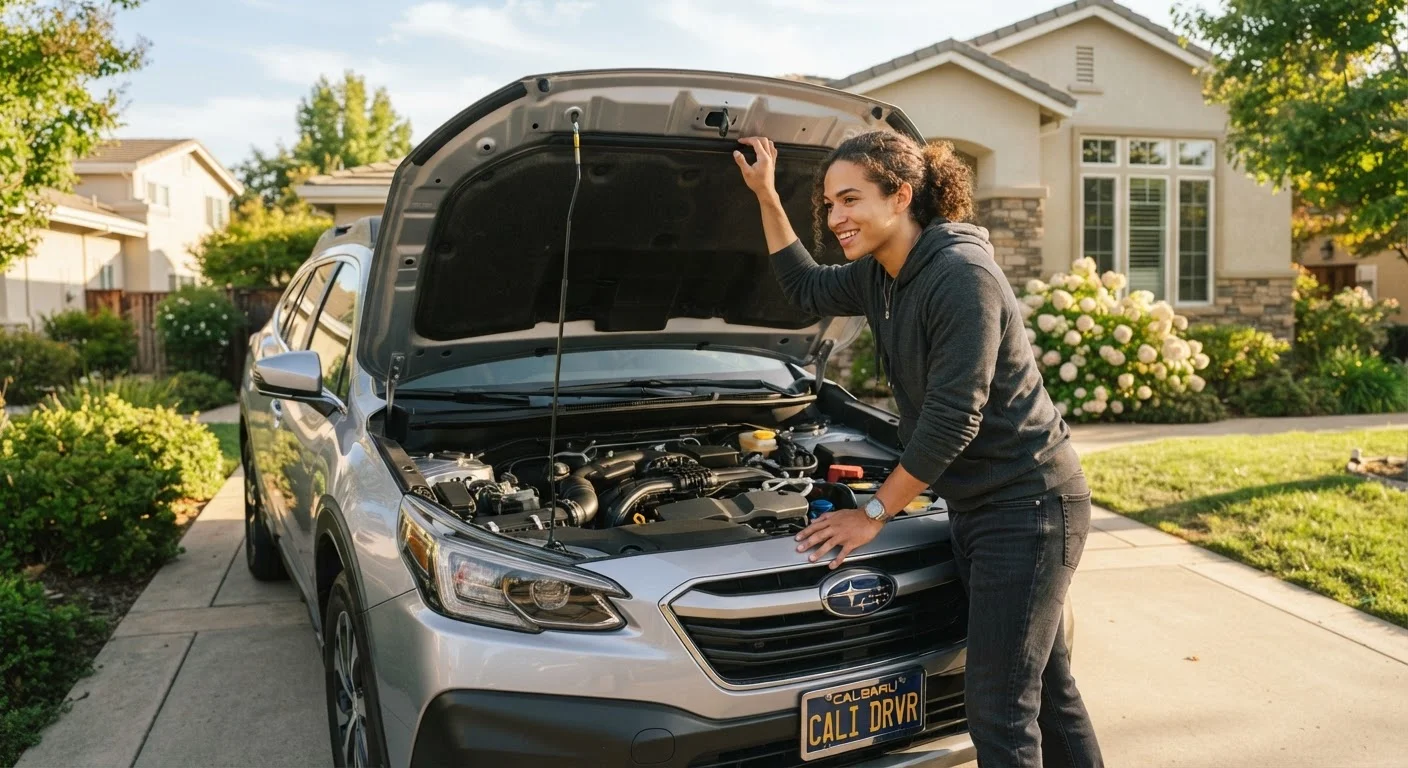
You don't need to tackle everything at once. Start with the three easiest habits: checking tire pressure monthly, monitoring the oil level, and glancing at your dashboard for warning lights. Once those feel routine, add the rest gradually. Confidence comes from repetition, not memorization.
Your Owner's Manual Is Your Best Starting Point
Every vehicle comes with an owner's manual, and most new owners treat it like furniture assembly instructions - skimmed once, then forgotten. That's a mistake. The manual contains manufacturer-specified service intervals, fluid types, and tire pressure recommendations tailored to your exact vehicle. Generic internet advice may point you in the right direction, but it can't account for your car's specific engineering.
Pay particular attention to the maintenance schedule section. It will tell you when to change the oil, rotate tires, replace the air filter, and more - organized by mileage or time intervals, whichever comes first. For a deeper look at what to look for in that document, see our article on reading your owner's manual.
Preventive maintenance
Scheduled upkeep done before problems occur - like oil changes and tire rotations - to keep the vehicle running reliably.
Service interval
The mileage or time period between required maintenance tasks, specified by the manufacturer in your owner's manual.
Dipstick
A long metal rod inserted into the engine that lets you check the oil level and condition without specialized tools.
Tire tread depth
The depth of the grooves on your tire surface that channel water away and provide grip - shallower tread means reduced traction.
Coolant
A fluid that circulates through the engine to regulate temperature and prevent overheating or freezing.
Brake fluid
A hydraulic fluid that transfers force from your brake pedal to the brakes at each wheel - low or degraded fluid affects stopping power.
The Core Tasks Every New Owner Should Know
You don't need a mechanic's certification to stay on top of routine care. These are the tasks that matter most:
- Oil and oil filter: Engine oil lubricates moving parts and prevents overheating. Check the level monthly using the dipstick, and change it at the interval your manual specifies. Don't ignore this - running low on oil is one of the fastest ways to destroy an engine.
- Tire pressure: Incorrect pressure causes uneven wear and reduces fuel economy. Check all four tires (plus the spare) monthly with an inexpensive gauge. The correct pressure is on your door jamb sticker, not the tire sidewall.
- Tire tread: Insert a quarter into a tread groove with Washington's head facing down. If you can see the top of his head, your tread is low and tires should be inspected by a professional.
- Fluid levels: Coolant, brake fluid, and windshield washer fluid can all be checked visually at their reservoirs. Our fluid check guide explains each one in plain terms.
- Air filter: A clogged engine air filter reduces performance and fuel efficiency. It's typically replaced every 15,000-30,000 miles, but check your manual.
- Brake inspection: Listen for squealing or grinding, and note any pulling when you stop. Brakes are safety-critical - if something feels off, have a qualified mechanic look immediately.
Never Ignore Dashboard Warning Lights
Warning lights - especially the check engine, oil pressure, and temperature lights - are your car's way of flagging a problem before it escalates. Driving with an illuminated warning light risks turning a manageable issue into a costly repair. If a light comes on and you're unsure what it means, consult your owner's manual or have the vehicle inspected promptly.
For a comprehensive breakdown of every system on your car, the complete car maintenance guide is an excellent next read.
Building a Maintenance Routine That Sticks
Knowing what to do is only half the battle - the other half is remembering to do it. A simple maintenance log (even a notes app on your phone) where you record the date, mileage, and task completed keeps you organized and provides documentation that increases resale value.
Tie maintenance checks to habits you already have. Checking tire pressure on the first of every month takes about three minutes. A quick visual under the hood when you fill up the tank costs you nothing. These small habits prevent the larger problems that catch drivers off guard.
For a structured overview of what to do and when, your car's maintenance schedule, explained lays out mileage intervals and service types in clear terms.
Finally, don't be afraid to ask questions at the shop. A good mechanic will explain what they found and why a repair is - or isn't - urgent. You don't need to become an expert, but understanding the basics means you're less likely to be caught off guard and more likely to make informed decisions about your vehicle.
This article provides general educational information about car maintenance. Always consult your vehicle's owner's manual and a qualified mechanic for guidance specific to your vehicle's make, model, and condition.