

Key Takeaways
Certified Pre-Owned (CPO)
A certified pre-owned vehicle is a used car that has passed a manufacturer- or dealer-defined inspection process and comes with some form of extended warranty or guarantee beyond a standard used-car sale. CPO programs are designed to give buyers more confidence than a typical private or auction purchase. The vehicle is reconditioned to meet certain standards before being offered for sale under the CPO label.
CPO programs are administered either by automakers (manufacturer-certified) or by individual dealerships (dealer-certified), and the two carry meaningfully different standards, warranty backing, and transferability terms.
What It Takes for a Car to Earn CPO Status
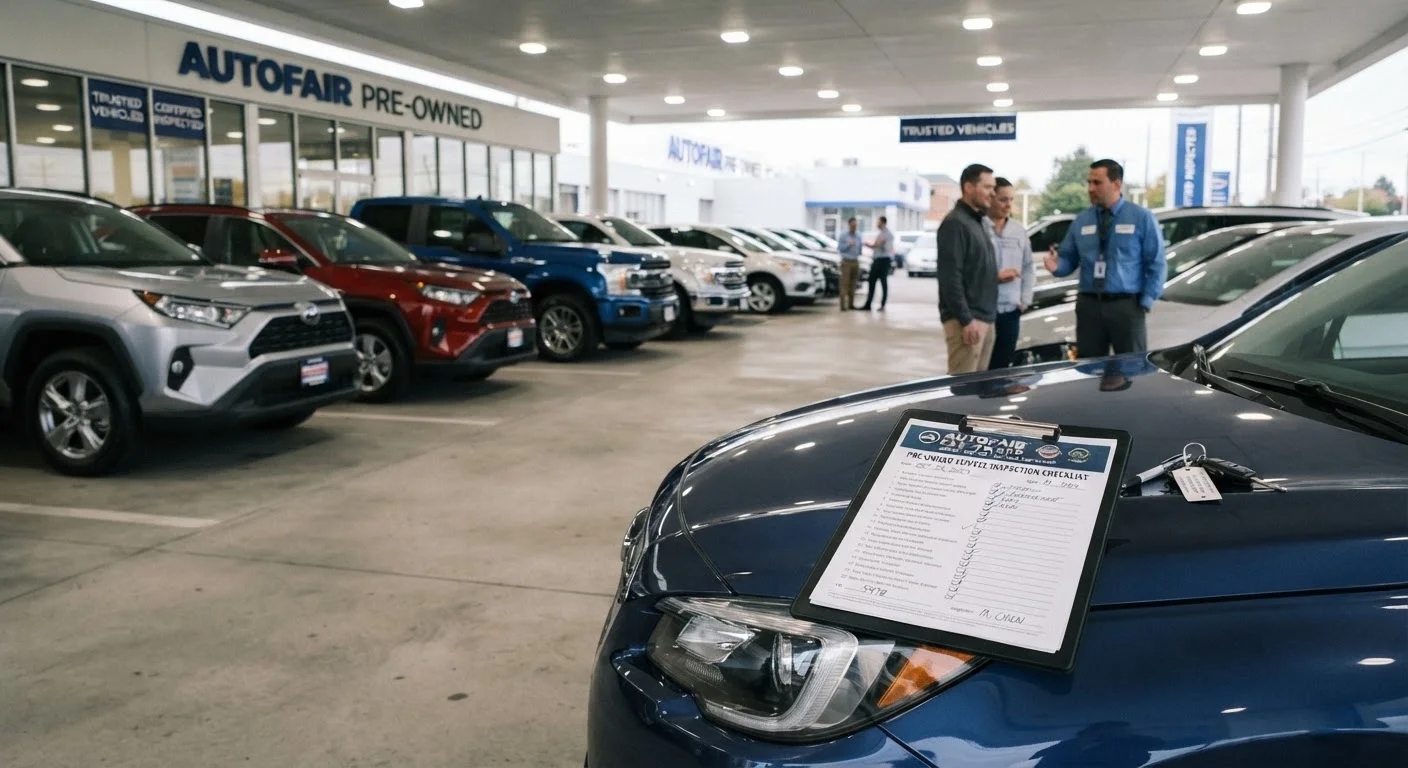
Before a used vehicle can be listed as certified pre-owned, it must clear a multi-point inspection - typically conducted by a technician at the selling dealership. The number of inspection points varies: some manufacturer programs require checks of 150 or more individual items, while others use a shorter list. Items commonly evaluated include the engine, transmission, brakes, tires, suspension components, electrical systems, and body condition.
Beyond the physical inspection, most manufacturer CPO programs apply additional eligibility filters. Vehicles must typically meet age and mileage thresholds - commonly no older than five or six model years and under a set mileage ceiling. A clean title is also generally required; cars with a salvage, flood, or rebuilt title are normally disqualified. Vehicle history reports are reviewed as part of the process.
If the car doesn't meet standards as-is, the dealer may recondition it - repairing or replacing items that failed inspection - before applying the CPO designation. That reconditioning cost is folded into the vehicle's price, which is part of why CPO vehicles typically carry a premium over non-certified used cars.
Ask for the Full Inspection Checklist
Many buyers accept a summary or a pass/fail result without seeing the full itemized inspection report. Request the complete checklist and review each section - it tells you exactly what was evaluated and, importantly, what was not. A reputable dealer should provide this without hesitation.
Manufacturer CPO vs. Dealer-Certified: A Critical Distinction
Not all CPO programs are created equal, and the source of certification matters more than most buyers realize. Manufacturer-backed programs are standardized across all participating dealerships. The inspection criteria, warranty terms, and any included benefits - such as roadside assistance or free CarFax reports - are defined and backed by the automaker itself.
Dealer-certified programs, by contrast, are set by the individual dealership. Standards can differ dramatically from one lot to the next, and the warranty backing comes from the dealer rather than from a manufacturer. If the dealership closes or changes ownership, the standing of that coverage can be uncertain.
When evaluating any CPO vehicle, ask directly: Is this a manufacturer-certified program or a dealer certification? Request the actual inspection report - not just the pass/fail result, but the itemized checklist. Understanding what was checked (and what wasn't) is a reasonable part of the buying process. For more on the full arc of purchasing a used or new vehicle, see our walkthrough of the car buying process.
150+
Inspection points in many manufacturer CPO programs
The number of items checked varies by program; some manufacturer CPO standards require technicians to evaluate more than 150 individual vehicle components.
5-6 years
Typical maximum vehicle age for CPO eligibility
Most manufacturer-backed programs limit CPO certification to vehicles within five to six model years old, with accompanying mileage caps that vary by brand.
What CPO Status Doesn't Guarantee
A CPO label is not a promise that the vehicle is problem-free. It reflects that the car passed a defined checklist at a specific point in time - typically before it was listed for sale. It does not mean every component was tested under real-world conditions or that future issues won't arise.
CPO warranties also carry exclusions. Routine wear items - brake pads, tires, filters, wiper blades - are almost never covered. Coverage terms differ by program, and some benefits only apply if you service the vehicle at an authorized dealer. Transferability to a future buyer varies too; some programs allow it, others don't.
The inspecting technician works for the dealership selling the car, which creates an inherent conflict of interest. This doesn't mean inspections are dishonest, but it is a structural reality worth acknowledging. An independent pre-purchase inspection by a mechanic you hire separately remains one of the most reliable tools available to any used-car buyer, CPO or not. You should also review the vehicle history report yourself rather than relying solely on the dealership's summary.
For a broader comparison of the tradeoffs between new and used vehicles, see how the two options compare across depreciation, financing, and reliability considerations.
How to Use CPO Status Wisely as a Buyer
CPO certification is a useful data point - not a decision-maker on its own. Treat it as a starting point for deeper evaluation rather than a shortcut past one. Here's how to approach it effectively:
- Ask for the inspection report. You're entitled to see what was checked. Review it item by item, not just the summary.
- Read the warranty terms carefully. Understand the duration, mileage limits, covered components, and what voids coverage before you agree to anything.
- Verify the program type. Confirm whether the certification is manufacturer-backed or dealer-issued, and who stands behind the warranty if something goes wrong.
- Don't skip the vehicle history report. Even with CPO status, reviewing the car's accident history, number of prior owners, and maintenance records is essential.
- Consider an independent inspection. A few hundred dollars spent on an outside mechanic's assessment can surface issues that a dealer inspection may have missed or minimized.
CPO vehicles occupy a meaningful middle ground between buying new and purchasing a standard used car - but only if you understand what the label actually covers. Going in informed is what separates a solid purchase from an expensive lesson. Review the questions worth asking before you leave the lot to make sure nothing important slips through at the finish line.
CPO Pricing Reflects the Certification Premium
CPO vehicles typically cost more than equivalent non-certified used cars because the dealer's reconditioning work and warranty offering are priced into the vehicle. That premium may be worth it depending on the program's strength and the vehicle's condition - but it's worth comparing the CPO price against similar non-certified options to judge whether the added cost is justified in your specific situation.