

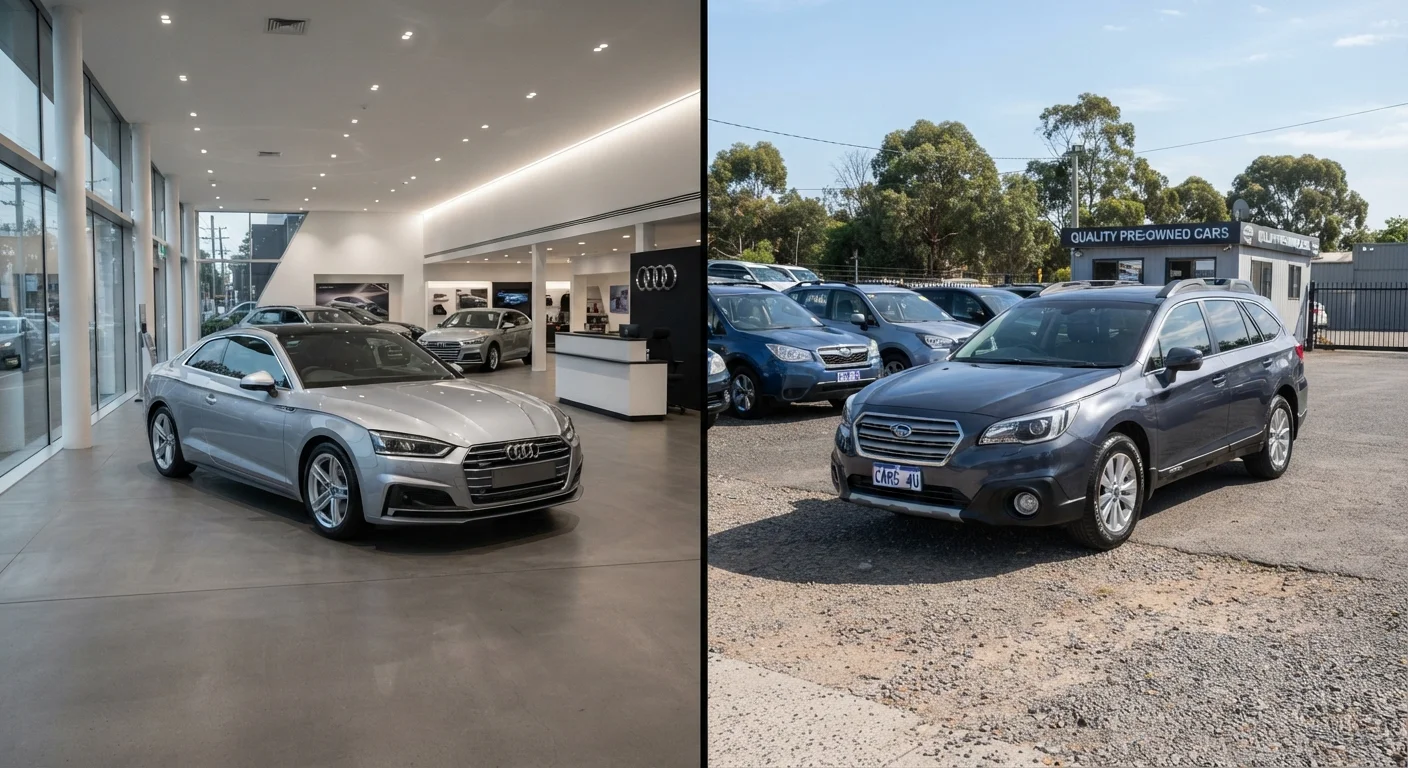
Key Takeaways
Option A
New Car
The full-warranty, latest-features, zero-history choice.
Best for: Buyers who want predictable costs, manufacturer coverage, and the latest safety technology.
Option B
Used Car
The value-driven, depreciation-dodging alternative.
Best for: Budget-conscious buyers or those who want lower overall cost of ownership.
If you plan to keep the car for 10+ years
New Car
Long-term ownership spreads the depreciation hit over more years and you benefit from full warranty coverage early on.
If keeping monthly payments as low as possible is the priority
Used Car
A lower purchase price typically means a smaller loan, even when accounting for slightly higher interest rates.
If you want the latest driver-assistance and safety technology
New Car
Advanced safety systems - automatic emergency braking, lane-keeping assist - tend to be standard or widely available on new models.
If you drive a moderate number of miles and want solid value
Used Car
A well-maintained two- to four-year-old vehicle offers most of the reliability of new at a meaningfully lower price.
If you're a first-time buyer still building credit
Used Car
Lower loan amounts reduce overall financial exposure while you establish your credit history and learn ownership costs.
Depreciation: The Factor That Changes Everything
New cars depreciate the moment you drive off the lot - that's not a myth. On average, a new vehicle can lose roughly 15-25% of its value within the first year, and up to 50% or more over five years. This isn't a flaw; it's simply how automotive markets work. But it has real consequences for buyers.
When you buy used, someone else has already absorbed that steepest part of the depreciation curve. A two- or three-year-old vehicle with reasonable mileage may still have years of reliable life ahead - at a fraction of its original sticker price. That gap is the core financial argument for buying used.
New car buyers aren't simply losing money, though. They're paying for certainty: a known history, fresh components, and coverage under the manufacturer's warranty from day one. For buyers who plan to own a vehicle for a long time, the per-year depreciation cost becomes less dramatic over the ownership period.
| Criterion | New Car | Used Car |
|---|---|---|
| Depreciation exposure | High in first 1-3 years | Much of the drop already absorbed |
| Financing rates | Often lower; promotional rates common | Typically higher |
| Warranty coverage | Full factory warranty included | Often expired; CPO varies |
| Purchase price | Higher | Lower |
| Vehicle history | None - starts fresh | Unknown unless documented |
| Safety technology | Latest features standard | Depends on model year |
| Insurance costs | Generally higher | Often lower |
| Customization options | Full factory build options | Limited to existing inventory |
Financing Rates, Warranties, and Hidden Cost Differences
One area where new cars hold a clear edge is financing. Manufacturers frequently offer promotional interest rates - sometimes as low as 0% - to move new inventory. Used car loans, whether through a dealership or a lender, typically carry higher rates because lenders view older vehicles as higher-risk collateral. That rate difference can meaningfully affect total cost over a loan term, so it's worth running the numbers carefully before assuming used is automatically cheaper.
Warranty coverage is another real differentiator. New cars come with bumper-to-bumper and powertrain warranties that can cover most major repairs for several years. Used vehicles often have expired factory coverage, shifting repair costs entirely to you. The exception is Certified Pre-Owned (CPO) vehicles - manufacturer-backed programs that include inspections and extended warranties. CPO programs vary widely, so it's important to understand exactly what any specific program covers before factoring it into your decision.
If you're weighing how to fund the purchase, financing through a dealership versus your own bank or credit union involves trade-offs worth understanding before you sign.
~20%
Average first-year depreciation on new vehicles
Industry data consistently shows new vehicles lose roughly 15-25% of value in the first year of ownership.
1-3%
Typical rate gap between new and used auto loans
Used car loan rates tend to run higher than new car rates, though the exact gap varies by lender, credit score, and vehicle age.
5+ years
Average age of vehicles on U.S. roads
The average American vehicle in operation is over a decade old, reflecting the long-term viability of well-maintained used cars.
Reliability, Risk, and How to Reduce It
Used cars carry unknowns that new cars simply don't. Even a well-maintained vehicle may have had accidents, deferred maintenance, or a climate history that affects long-term durability. A vehicle history report is a basic first step, but it doesn't catch everything.
Before committing to any used vehicle, a pre-purchase inspection by an independent mechanic is one of the most cost-effective ways to reduce risk. For a full guide to what to examine, see our pre-purchase inspection checklist. And once you're close to finalizing a deal, knowing the right questions to ask before leaving the lot can protect you from surprises.
New cars aren't entirely without reliability risk - early model years can carry undiscovered defects - but they come with manufacturer accountability that used cars don't. Ultimately, risk tolerance is personal. If unexpected repair bills would create real financial strain, the predictability of a new car's warranty may justify the higher purchase price for your situation.
This article is for general informational and educational purposes only and does not constitute financial, legal, or purchasing advice. Consult a qualified financial professional for guidance specific to your circumstances.