

Key Takeaways
Summary
18 items · 10-20 minutes
Why a Pre-Session Routine Changes Everything
Most training setbacks don't happen because a pet is stubborn or slow to learn - they happen because the conditions weren't right in the first place. Walking into a session without a plan, at the wrong time of day, or while you're distracted is a recipe for frustration on both sides.
A quick pre-session check takes only a few minutes, but it stacks the deck in your favor. Think of it like warming up before exercise: small preparation steps that make the main event significantly more effective. Whether you have a dog, cat, rabbit, or bird, the principles are consistent - and the payoff is a calmer, more focused animal who actually enjoys working with you.
If you're just getting started with a new animal, our foundation guide for new pet owners covers daily routines that naturally support good training habits from the beginning.
Timing and Pet State
Environment Setup
Treats and Training Tools
Your Own Readiness
Health and Comfort Check
Tools, Environment, and Reading the Room
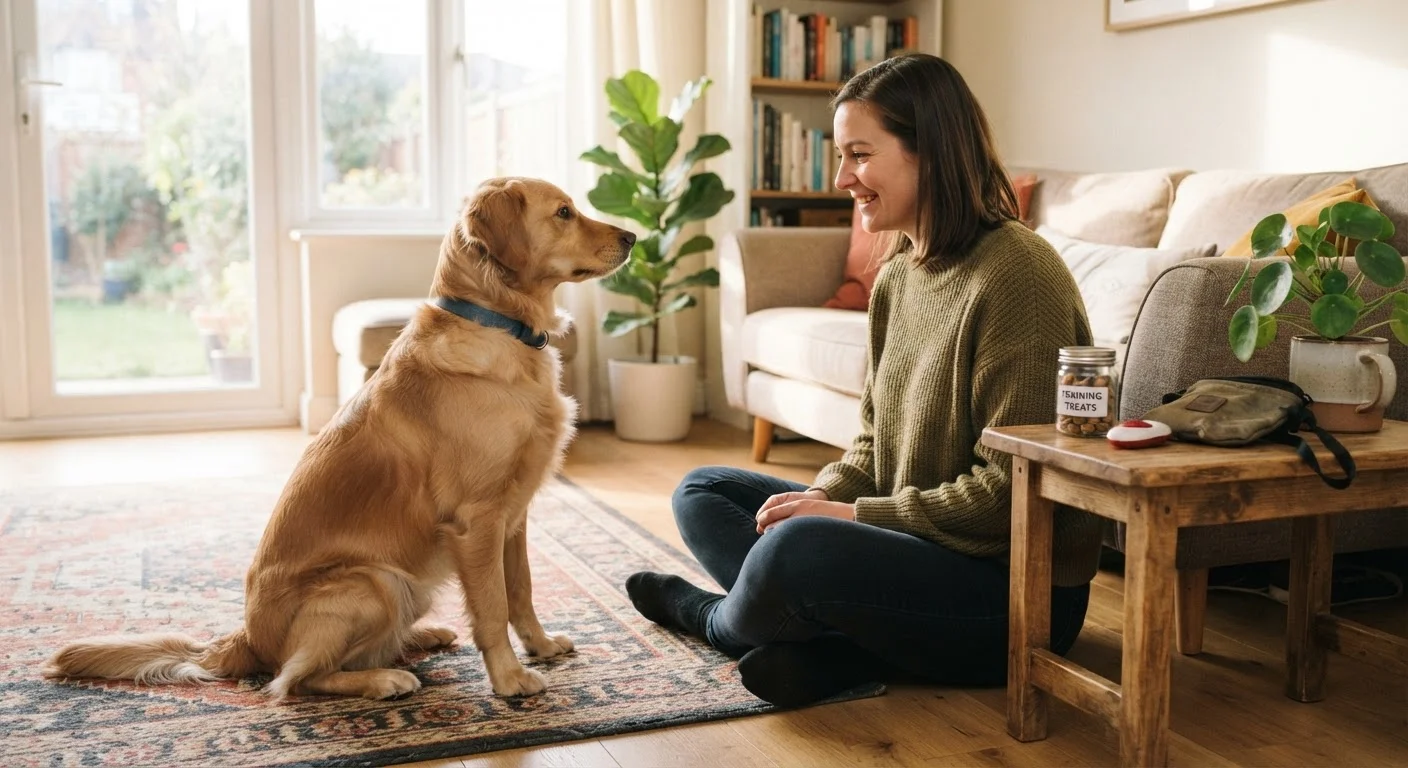
Before you ask anything of your pet, make sure your space and your supplies are working with you - not against you. A treat pouch that's empty halfway through a session, a phone that keeps buzzing, or a room where the neighbor's dog is clearly audible will all erode focus.
Small, high-value treats
Used as primary reinforcers during positive reinforcement training - pea-sized pieces work best to keep sessions moving without filling your pet up.
Treat pouch or small bag
Keeps rewards immediately accessible during training so you can mark and reward behavior within seconds.
Clicker
Provides a precise, consistent audio marker that tells your pet exactly which behavior earned a reward.
Target stick
Helpful for guiding pets into position or directing movement without using physical pressure.
Training mat or defined spot
Gives your pet a clear starting place, which helps them settle and focus before the session begins.
Training log or notebook
Tracks what was practiced, what worked, and where to start next time - especially useful for building on multi-week skills.
It's also worth checking in on yourself. Your pet reads your body language far more fluently than your words. If you're stressed, rushed, or frustrated before you even begin, that energy tends to carry into the session. Take a breath, set a specific and achievable goal for today (one new behavior, or three clean repetitions of something familiar), and then step in.
If a session starts going sideways despite good preparation, knowing when and how to reset is just as important. Our guide on recognizing when a session is going poorly walks you through the early warning signs. And if you work with a smaller companion animal, training rabbits, guinea pigs, or birds comes with its own species-specific considerations worth reviewing before you begin.
Never Train Through Signs of Illness or Pain
If your pet is moving stiffly, eating less than usual, showing unusual lethargy, or seems withdrawn, skip the training session entirely. Asking a pet to perform behaviors when they are physically uncomfortable can create a negative association with training and delay the detection of a real health issue. When in doubt, contact your veterinarian before resuming.