

Key Takeaways
Periodontal Disease in Pets
Periodontal disease is a progressive infection of the tissues surrounding a pet's teeth - including the gums, ligaments, and bone. It begins as plaque buildup that hardens into tartar, eventually leading to gum inflammation (gingivitis) and, if untreated, tooth loss and deeper tissue damage. It is the most commonly diagnosed health condition in adult dogs and cats.
The disease is staged from Grade 1 (mild gingivitis with no attachment loss) to Grade 4 (severe bone loss and tooth involvement), guiding veterinary treatment decisions.
Why Dental Health Rarely Gets the Attention It Deserves
When most people think about keeping their pet healthy, they picture vaccines, annual checkups, and flea prevention. Oral health tends to fall to the bottom of the list - not because owners don't care, but because the signs are easy to miss and the problem builds slowly. By the time bad breath or a dropped piece of kibble raises a flag, significant disease is often already present.
According to the American Veterinary Medical Association, an estimated 80% of dogs and 70% of cats show signs of oral disease by age three. That makes periodontal disease the most commonly diagnosed condition in companion animals - and one of the most undertreated. It features prominently in the overlooked areas of pet care that deserve more daily attention.
80%
Dogs with oral disease signs by age 3
According to the American Veterinary Medical Association, most adult dogs show evidence of periodontal disease well before middle age.
70%
Cats affected by dental disease by age 3
The AVMA reports a similarly high prevalence in cats, with tooth resorption being a particularly painful and common condition.
#1
Most diagnosed condition in companion animals
Periodontal disease consistently ranks as the single most common health problem seen by veterinarians in dogs and cats.
How Dental Disease Develops - and Why It Escalates
The process begins the same way in pets as it does in people. Bacteria in the mouth form a sticky film called plaque on tooth surfaces. Without regular removal, plaque mineralizes into tartar - the hard, yellowish-brown crust visible at the gumline. Tartar creates an environment where bacteria thrive below the gumline, triggering inflammation and, over time, destroying the bone and tissue that hold teeth in place.
Small dog breeds such as Chihuahuas, Yorkies, and Dachshunds are especially prone to rapid progression because their teeth are often crowded together in a small jaw. Cats, despite having fewer teeth, develop painful forms of dental disease including tooth resorption, a condition in which the tooth structure breaks down from within.
What makes this particularly tricky is that animals are wired to hide discomfort. A dog with a severely infected molar may still eat enthusiastically, giving no obvious indication of pain. Our guide to signs your pet is in pain that are easy to miss explains why this instinct makes early detection so challenging.
Dental Disease and Systemic Health
Chronic oral infections don't stay neatly contained to the mouth. Veterinary research has explored associations between severe periodontal disease and changes in heart, kidney, and liver health in pets. While the relationships are still being studied and causation is complex, most veterinarians view a healthy mouth as an important part of supporting overall physical health - not just comfort.
Warning Signs Owners Should Know
Recognizing early signals can make a meaningful difference in how easily dental disease is managed. Common signs include:
- Persistent bad breath - the most frequent first clue, often dismissed as normal
- Visible tartar - yellow or brown buildup along the gumline
- Red, swollen, or bleeding gums - a sign of active inflammation
- Dropping food or chewing on one side - may indicate tooth pain
- Increased drooling or pawing at the mouth
- Reduced interest in toys or hard chews that a pet previously enjoyed
Some of these signs overlap with changes owners may attribute to normal aging. It's worth reviewing early warning signs often mistaken for aging - a dental issue and an age-related decline can look similar on the surface.
Start Slow With Toothbrushing
If your pet has never had their teeth brushed, don't try to do a full session on day one. Begin by offering a small amount of pet toothpaste on your finger and letting them lick it off. Over several days, gradually introduce the brush with gentle strokes. Positive reinforcement - calm praise, a small treat afterward - helps pets build tolerance and even acceptance of the routine.
Prevention at Home and at the Vet
The most effective thing you can do at home is brush your pet's teeth daily using a toothbrush and toothpaste formulated for animals. Human toothpaste contains fluoride and xylitol, both of which are harmful to pets. Introduce the routine gradually - start by letting your pet taste the toothpaste, then progress to short brushing sessions with praise and rewards.
Dental chews, water additives, and dental-formula diets may offer supplemental support, but they are not substitutes for brushing or professional care. Look for products that carry the Veterinary Oral Health Council (VOHC) seal, which indicates the product has met established standards for plaque or tartar reduction.
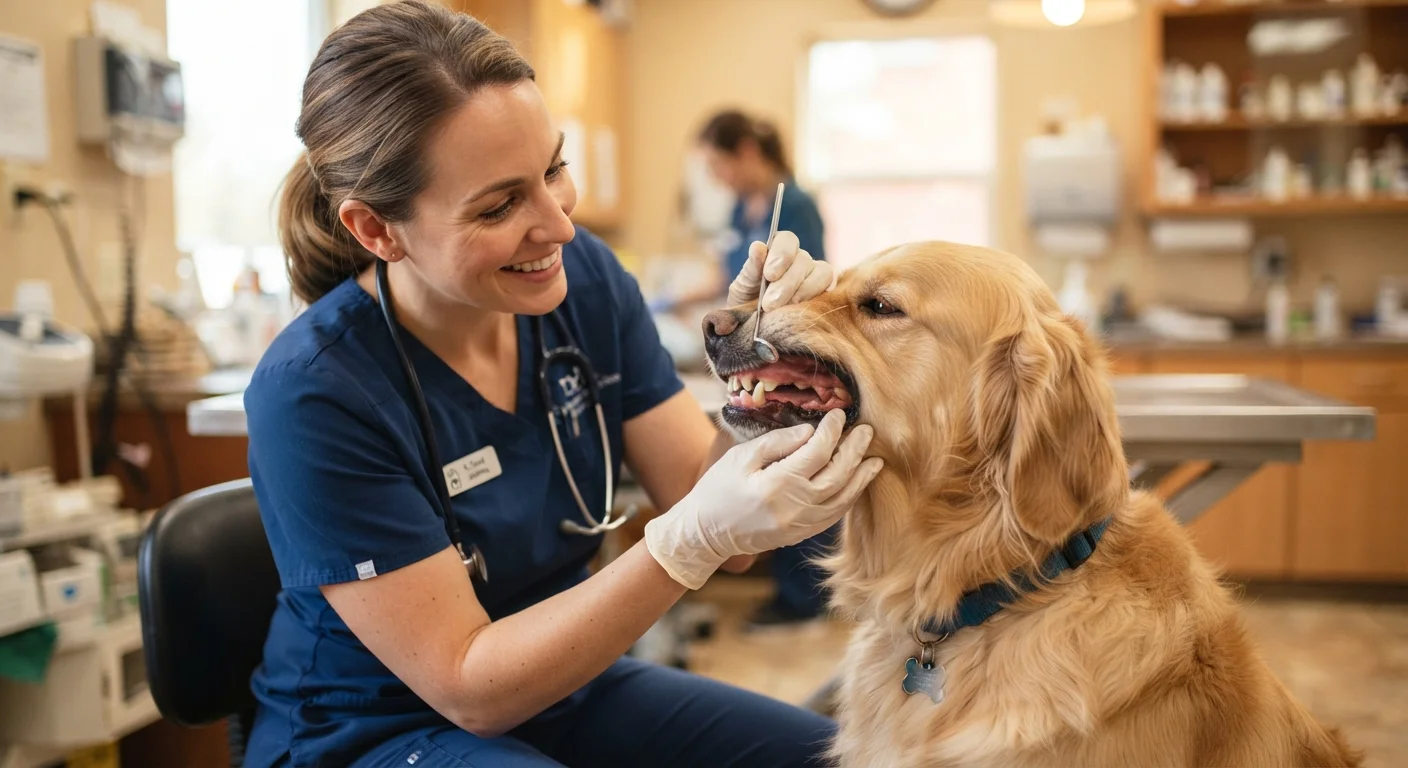
Professional veterinary cleanings are a non-negotiable part of a complete dental care plan. These are performed under general anesthesia, allowing the veterinarian or veterinary technician to clean below the gumline, probe for pockets of infection, and take dental X-rays to assess bone health. What's visible above the gumline represents only part of the picture.
Dental health is one component of a broader conversation about your pet's lifelong wellbeing. The complete owner's health overview covers how oral care fits alongside nutrition, preventive medicine, and regular vet visits across every life stage.
This article is for general informational purposes only and does not constitute veterinary medical advice. Always consult a licensed veterinarian for guidance specific to your pet's health needs.