

Key Takeaways
Starting Right: The Adoption Health Foundation
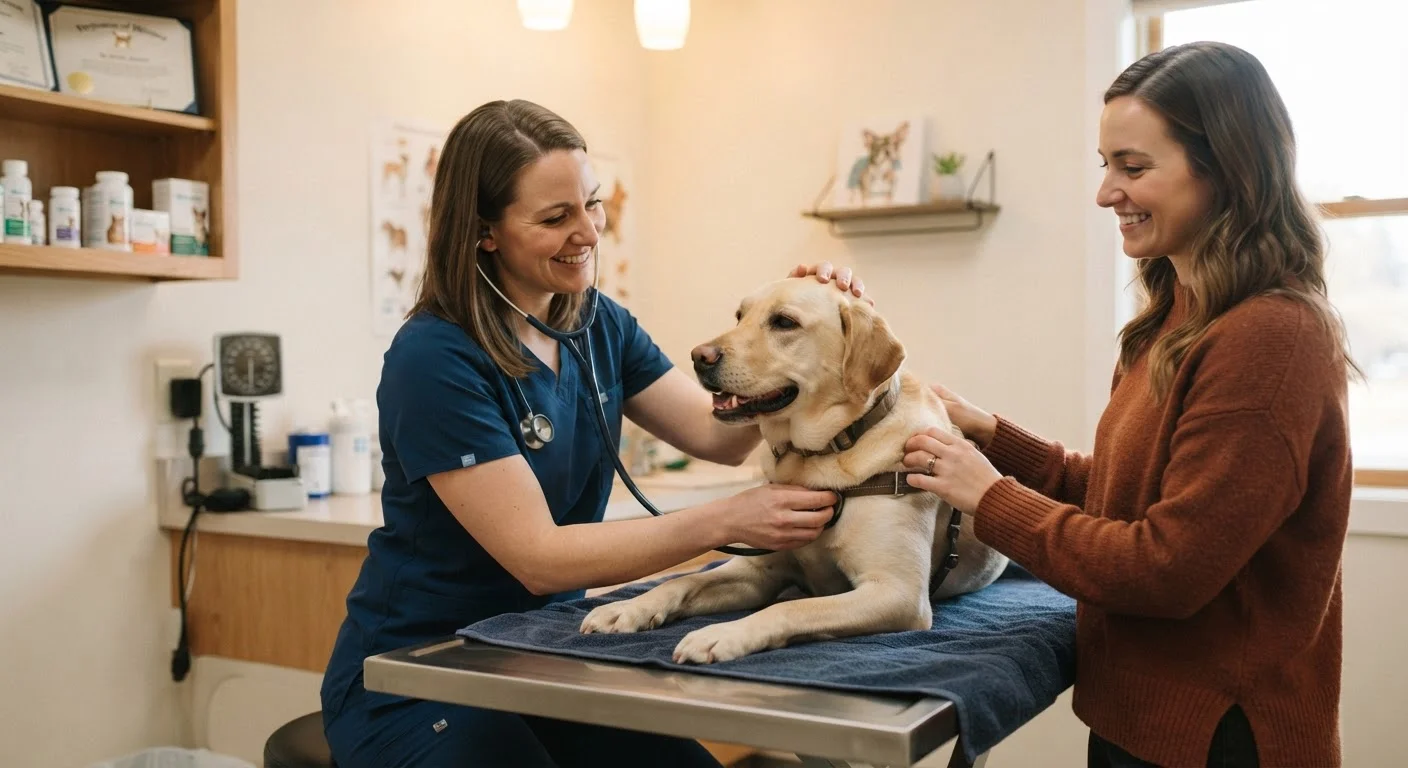
The first days after bringing a pet home set the tone for everything that follows. Whether you've adopted a puppy, a kitten, or an adult rescue, scheduling a veterinary wellness exam within the first week is a critical first step - not just to verify vaccination records, but to establish a health baseline unique to your animal.
Our first 30-day health checklist covers what to observe and verify during those early weeks. During your initial vet visit, expect the veterinarian to assess weight, body condition, coat quality, and signs of parasites, and to discuss spay or neuter timing if applicable. Bring any records provided by the shelter or breeder - even partial documentation helps.
New pets also need time to acclimate emotionally. Stress can temporarily suppress immune function and mask symptoms, so keep the environment calm and monitor closely for signs of illness like lethargy, loss of appetite, or unusual stools during the settling-in period.
Bring Records to Your First Vet Visit
Even partial vaccination or deworming records from a shelter or breeder are valuable. They help your veterinarian avoid unnecessary repeat vaccinations and give a clearer picture of your pet's health history from day one. If no records exist, let your vet know - they'll establish a starting point from scratch.
Preventive Care: Vaccines, Parasite Control, and Wellness Exams
Preventive care is the backbone of lifelong pet health. Core vaccines - such as rabies and distemper for dogs, and rabies and FVRCP for cats - protect against serious or fatal diseases and are recommended for virtually all pets. Non-core vaccines are selected based on your pet's lifestyle, geographic location, and individual risk factors, which your veterinarian will help determine.
Parasite prevention covers both internal parasites (roundworms, hookworms, heartworm) and external ones (fleas, ticks, mites). Many parasites are zoonotic, meaning they can transfer to humans, making prevention relevant to the entire household. Ask your vet about year-round protocols appropriate for your region.
Annual wellness exams for young and middle-aged pets - and twice-yearly exams for seniors - allow veterinarians to catch changes before they become serious. These visits are also your best opportunity to ask questions and recalibrate care as your pet ages.
80%
Dogs showing dental disease by age 3
Veterinary dental organizations estimate the majority of dogs have some degree of periodontal disease by their third year of life.
2x/year
Recommended vet visits for senior pets
Most veterinary guidelines suggest twice-yearly wellness exams for pets classified as senior (generally age 7+) to catch age-related changes early.
10%
Maximum treat share of daily calories
General veterinary nutrition guidance holds that treats should not exceed 10% of a pet's total daily caloric intake to prevent obesity.
Nutrition Across Life Stages
A pet's nutritional needs are not fixed. Puppies and kittens require higher calorie density and specific nutrient ratios to support rapid growth and development. Adult pets need maintenance-level feeding calibrated to activity level and body weight. Senior animals often benefit from formulations that support joint health, kidney function, or weight management - depending on their individual health profile.
Look for foods that meet the nutritional standards established by the Association of American Feed Control Officials (AAFCO), which sets minimum nutrient profiles for different life stages. The label phrase "complete and balanced" indicates AAFCO compliance. Your veterinarian is the best resource for guidance specific to your pet's breed, size, and health status.
Treats should generally make up no more than 10% of daily caloric intake. Obesity is one of the most common preventable health problems in companion animals, linked to increased risk of diabetes, arthritis, and heart disease. For general day-to-day care guidance, the Pet Care Basics hub offers practical feeding and nutrition resources.
Dental Health: The Often-Overlooked Essential
Dental disease affects an estimated 80% of dogs and 70% of cats by age three, according to veterinary dental organizations - yet it remains one of the most under-addressed aspects of pet care. Periodontal disease doesn't just cause bad breath; left untreated, oral bacteria can enter the bloodstream and affect the heart, kidneys, and liver.
At-home dental care - ideally daily tooth brushing with a pet-safe toothpaste - is the gold standard. Dental chews, water additives, and veterinary-approved dental diets can supplement brushing but are not substitutes. Professional dental cleanings under anesthesia allow thorough scaling and examination of tooth roots and gum pockets that home care cannot address.
Anesthetic Dental Cleanings Are Not Optional
Professional dental cleanings for pets require general anesthesia - there is no safe or effective alternative for a thorough cleaning and examination. While anesthesia carries some risk, the long-term harm of untreated dental disease typically far outweighs that risk for most healthy pets. Discuss any concerns about anesthesia with your veterinarian, who can run pre-anesthetic bloodwork to assess your pet's individual risk.
Signs of dental problems include pawing at the mouth, reluctance to eat hard food, drooling, visible tartar buildup, or red and swollen gums. If you notice any of these, contact your veterinarian promptly.
Reading Behavioral Signals and Recognizing Illness Early
Animals instinctively mask discomfort - a survival trait that can make illness difficult to detect. This is why knowing your individual pet's normal behavior is one of the most valuable tools you have. Changes in activity level, appetite, water intake, elimination habits, grooming behavior, or social engagement can all signal that something is wrong before any obvious physical symptom appears.
Common early warning signs worth noting include: unexplained weight loss or gain, increased thirst or urination, vomiting or diarrhea lasting more than 24 hours, limping or reluctance to move, changes in breathing rate or effort, and sudden shifts in temperament. None of these are automatically emergencies, but all warrant a call to your veterinarian.
It's also worth separating fact from widespread pet health folklore. Our pet health myths guide addresses common misconceptions that can sometimes delay appropriate care.
Keep a simple health journal for your pet - note weight, appetite, energy level, and any unusual behaviors at each vet visit. Patterns you might not notice day-to-day become clear over months.
Veterinarians often rely on owner-reported history to guide diagnosis, and documented observations are far more reliable than memory alone, especially for subtle or intermittent symptoms.
Start handling your pet's mouth, ears, and paws from day one - even if they're an adult rescue. Routine, gentle handling makes future veterinary exams and at-home care far less stressful for everyone.
Desensitization to handling is a core principle in low-stress veterinary care and reduces the likelihood of fear-based reactions during exams or grooming procedures.
Caring for Senior Pets
Most dogs and cats are considered seniors around age seven, though this varies by species and size - large-breed dogs often age faster than small breeds. Senior status doesn't mean inevitable decline, but it does mean shifting your care approach. Health conditions such as arthritis, cognitive dysfunction, hyperthyroidism in cats, and dental disease tend to emerge or worsen with age.
Twice-yearly vet visits are generally recommended for senior pets because conditions can progress quickly at this stage. Blood panels and urinalysis become more routine, helping detect kidney disease, diabetes, or thyroid abnormalities early when they are most manageable. For a detailed breakdown of what to expect as your pet gets older, see our guide on senior pet health changes.
At home, focus on maintaining a comfortable environment: orthopedic bedding for arthritic joints, easier access to food and water, and consistent routines that reduce confusion in pets with early cognitive changes.
Partnering Effectively With Your Veterinarian
Your veterinarian is your most important ally in your pet's health - but that relationship works best as a two-way exchange. Come to appointments prepared with observations: recent changes in behavior, eating, or elimination, any supplements or medications your pet is currently receiving, and specific concerns you want addressed.
Don't hesitate to ask for clarification on diagnoses, recommended tests, or treatment plans. Understanding why a test is recommended - and what the results could mean - helps you make informed decisions. Veterinary professionals genuinely want engaged owners; good communication leads to better care.
For those interested in building training skills alongside health awareness, the Pet Training hub offers evidence-based guidance on positive reinforcement approaches that also support your pet's mental well-being. A healthy pet is one whose physical, behavioral, and emotional needs are all consistently met - and that's a goal every owner can work toward, one stage of life at a time.
Veterinary Guidelines Evolve Over Time
Vaccination schedules, parasite prevention recommendations, and nutrition guidance are periodically updated as new research emerges. Organizations such as the American Animal Hospital Association (AAHA) and the American Association of Feline Practitioners (AAFP) publish updated clinical guidelines that your veterinarian will be familiar with. What was standard care a decade ago may have been refined - another reason regular vet visits matter.
This article is for general informational and educational purposes only and does not constitute veterinary or medical advice. Always consult a licensed veterinarian for guidance specific to your pet's health and circumstances.