

Key Takeaways
Why Shopping Your Pantry First Actually Matters
The average American household wastes a significant portion of the food it buys - much of it simply forgotten at the back of a shelf or freezer. That waste translates directly into money spent on food never eaten. The pantry-first approach flips the default: instead of building a shopping list from scratch each week, you start by understanding what you already own.
This isn't about extreme couponing or elaborate meal-prep routines. It's a straightforward habit shift that fits into everyday budgeting basics - spend less by using what you've already paid for before buying more. Paired with better store awareness, it's one of the most practical ways to reduce grocery costs without compromising on the quality or variety of what you eat.
This Is a Habit, Not a One-Time Fix
Pantry-first shopping delivers the most benefit when practiced consistently, not just once before a major grocery run. Committing to even a brief weekly inventory check - five minutes before you write your list - is what turns occasional savings into a reliable reduction in your monthly food spending.
How to Do It: Step-by-Step
Follow these steps before your next grocery trip. The first time takes the most effort; subsequent weeks become faster as your pantry stays organized and your inventory habit solidifies.
What you will need
Inventory notepad or notes app
Records what you already have so you can cross-reference before writing your shopping list.
Dry-erase marker or small whiteboard
Lets you keep a running pantry list on the inside of a cabinet door for quick updates.
Reusable shopping list template
A consistent format organized by store section speeds up shopping and reduces impulse purchases.
Clear out and inventory your pantry, fridge, and freezer
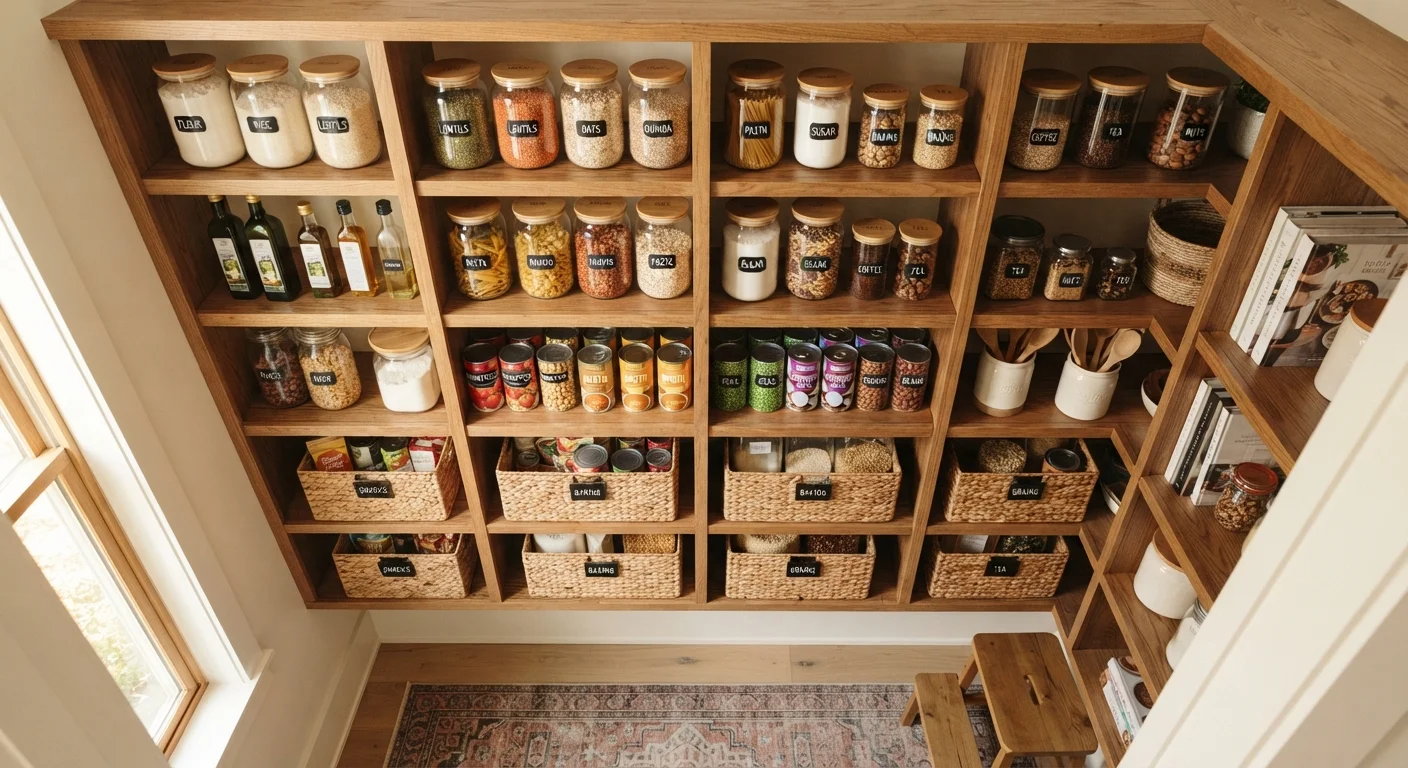
Pull items forward so nothing hides at the back. Note everything you have - canned goods, grains, frozen proteins, condiments, and any produce nearing its end. A quick phone photo of each shelf works well as a visual reference you can consult at the store.
Check expiration dates and flag items to use soon
Separate anything expiring within the next one to two weeks into a visible "use first" zone on your counter or a dedicated shelf. These items become the foundation of your meal plan for the coming week, not an afterthought.
Plan meals around what you already own
With your inventory in hand, sketch out three to five meals that use the items you flagged. Search for simple recipes that incorporate your existing staples - a can of chickpeas, half a bag of lentils, or a frozen chicken breast can anchor a full meal with minimal added ingredients.
Write a list covering only genuine gaps
Now that you know what meals you're making and what you already have, your shopping list should reflect only the ingredients you genuinely lack. Organize the list by store section (produce, dairy, proteins, dry goods) to reduce browsing time and limit exposure to in-aisle temptations. For more on how stores are designed to influence spending, see how grocery store pricing tactics work.
Shop the list and restock strategically
Stick to your list at the store. If you spot a genuine deal on a non-perishable staple you regularly use - olive oil, canned tomatoes, dried pasta - stocking up at a lower price makes sense. However, buying in bulk for items you rarely use often leads to more waste, not savings.
Store new groceries using first-in, first-out order
When you unpack, place newly purchased items behind older ones of the same kind. This rotation method - used in commercial kitchens - ensures you're always reaching for the oldest item first, reducing spoilage and keeping your pantry accurate for next week's audit.
Redirect Grocery Savings to a Savings Goal
If pantry-first shopping consistently trims $20-$40 from your weekly grocery bill, consider routing that difference directly into a savings account. Automating that transfer removes the temptation to spend it elsewhere. See our guide to automating your savings for a step-by-step walkthrough.
Troubleshooting Common Sticking Points
Even with good intentions, a few patterns tend to trip people up when they start this habit:
- "I don't have time to inventory every week." You don't need to do a full audit weekly. After your first thorough session, a quick scan of your "use first" shelf and a glance at your staples takes under five minutes.
- "I can't make a meal from random pantry items." A simple web search for recipes using two or three of your specific ingredients almost always returns workable results. A weekly prep checklist can also help you translate a pantry inventory into a realistic cooking plan.
- "My household doesn't agree on meals." Focus the pantry-first method on lunches, breakfasts, and one or two weeknight dinners where flexibility is easier. Don't try to overhaul every meal at once.
Food Safety Comes Before Frugality
Using up older pantry items is a smart financial habit, but it should never override food safety. If something smells off, shows signs of mold, or has a damaged seal, discard it. The cost of a foodborne illness far outweighs the savings from using a questionable can.
For additional strategies on making nutritious eating manageable on a regular basis, see practical strategies for eating well on a tight schedule. And if you want to extend your fresh ingredients further, proper herb storage techniques can help reduce one of the most common sources of fresh-produce waste.
This article is for general informational purposes only and does not constitute personalized financial or dietary advice. Consult a qualified financial adviser for guidance specific to your situation.