

Key Takeaways
What to Know Before You Ever Need to File
Understanding your coverage before an accident happens is the single best thing you can do to make the claims process less stressful. If you are unclear on what your policy actually covers, review our plain-language breakdown of auto insurance before you need to rely on it.
The three coverage types most relevant to accident claims are liability, collision, and comprehensive. Each one pays for different things, and knowing which applies to your situation helps you set realistic expectations when talking to an adjuster. It is also worth understanding that many drivers carry gaps in coverage they only discover after filing - such as missing rental reimbursement or gap insurance on a financed vehicle.
What you will need
Having your tools and information organized in advance keeps you focused on what matters at the scene rather than scrambling for details under pressure.
Step-by-Step: How to File Your Claim
Follow these steps in order. The actions you take - and avoid - in the first hour after an accident can meaningfully affect how smoothly your claim proceeds.
Never Admit Fault at the Scene
Even if you believe you may have contributed to the accident, do not apologize or accept blame at the scene. Fault is a legal and insurance determination made after a full review of evidence. Statements made on the spot can be used against you and may complicate your claim outcome. Let investigators and adjusters make that assessment.
Ensure Safety and Call 911 if Needed
Before anything else, check yourself and any passengers for injuries. If anyone is hurt, call 911 immediately. Move vehicles out of active traffic if it is safe to do so, and turn on hazard lights. A police report - even for minor collisions - creates an official record that your insurer will often reference during the claims process.
Exchange Information with the Other Driver
Collect the following from every other driver involved: full name, contact number, driver's license number, license plate number, vehicle make and model, and their insurance company name and policy number. Do not rely on verbal promises to exchange information later - get it at the scene.
Document the Scene Thoroughly
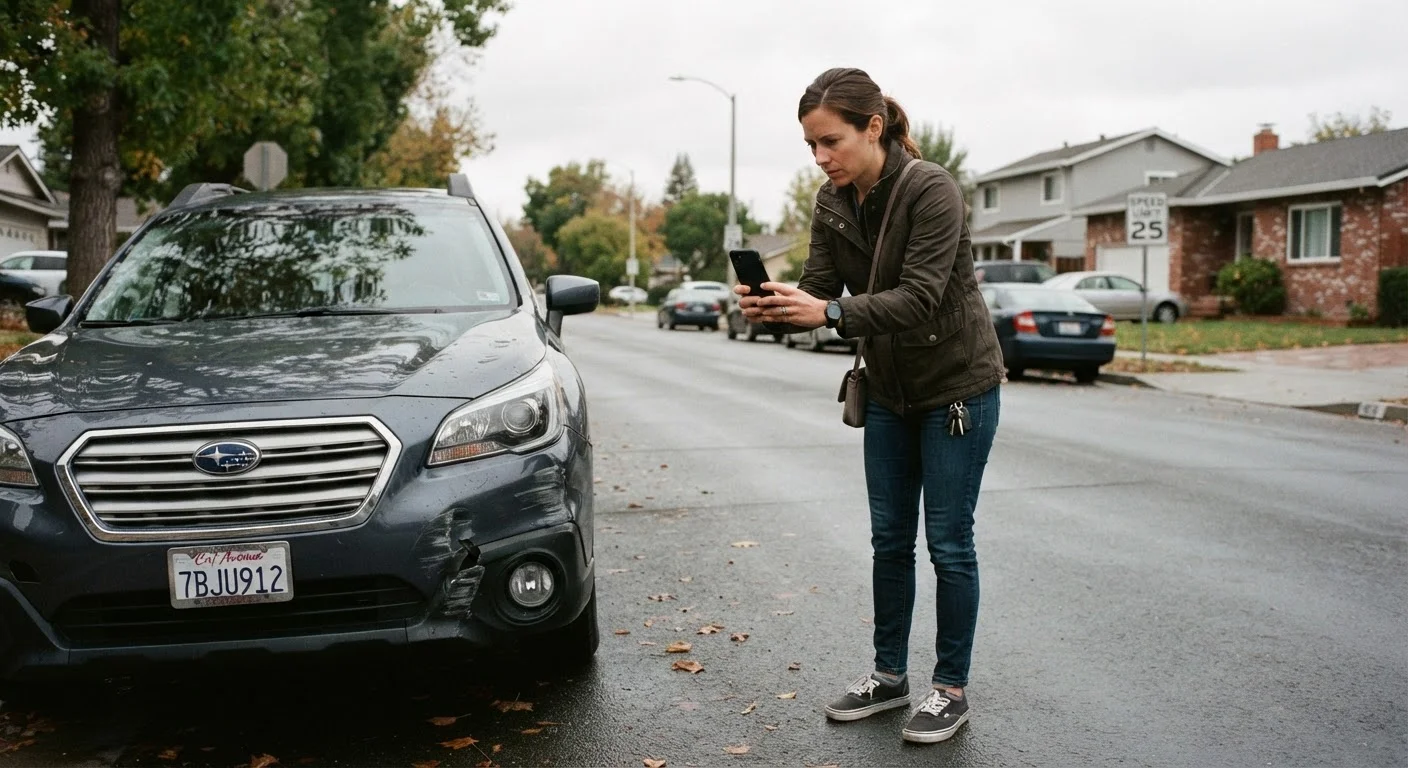
Take photographs of all vehicles from multiple angles, close-up shots of any damage, the surrounding road conditions, traffic signs, and skid marks if present. If there are witnesses, ask for their names and contact details. Note the time, location, weather, and a brief description of what happened while your memory is fresh.
Notify Your Insurance Company
Contact your insurer as soon as reasonably possible - by phone, their website, or mobile app. Provide the facts: when and where the accident occurred, the other parties involved, any injuries, and whether police responded. Your insurer will open a claim file and assign you a claim number. Keep this number for all future correspondence.
[warning_callout]Work with the Claims Adjuster
An insurance adjuster - either from your insurer or the other driver's - will be assigned to evaluate the damage and determine liability. They may inspect your vehicle in person or ask you to submit photos through an app. Be factual and consistent in everything you say. You have the right to ask the adjuster to explain their process and the basis for any decisions they make.
Get Your Vehicle Repaired
Your insurer may direct you to a preferred repair network, but in most states you have the right to choose your own shop. Once an estimate is approved, repairs can begin. You will pay your deductible directly to the repair shop; the insurer pays the remaining covered amount. If your car is declared a total loss, the insurer will offer a settlement based on the vehicle's actual cash value.
Keep a Claim-Ready Info Sheet in Your Glove Box
Store a simple card in your glove compartment with your policy number, insurer's claims phone number, and a checklist of what to document at a scene. In a stressful moment, having that reference handy can save critical time and help you gather information you might otherwise forget.
After the Claim: What Comes Next
Once your vehicle is repaired or a settlement is reached, your claim is officially closed - but the process has lasting effects worth understanding. An at-fault accident will typically appear on your driving record and may cause your premium to increase at renewal. How much and for how long varies by insurer and state. For a clear picture of what to expect, see our guide on how at-fault accidents affect your insurance rate.
A claim also makes a good moment to review your policy holistically. Are your coverage limits still appropriate? Has your deductible changed relative to your savings? Use your renewal as a structured checkpoint - our policy review checklist walks through exactly what to evaluate. And if any part of the claims process surprised you, you are not alone - many of the frustrations drivers experience stem from common misconceptions about how claims work that are easy to correct before next time.
This article provides general information about the auto insurance claims process and is not a substitute for personalized advice from a licensed insurance professional. Coverage terms, claim procedures, and state regulations vary. Always review your own policy documents and consult your insurer or a licensed agent for guidance specific to your situation.