

Key Takeaways
Sinking Fund
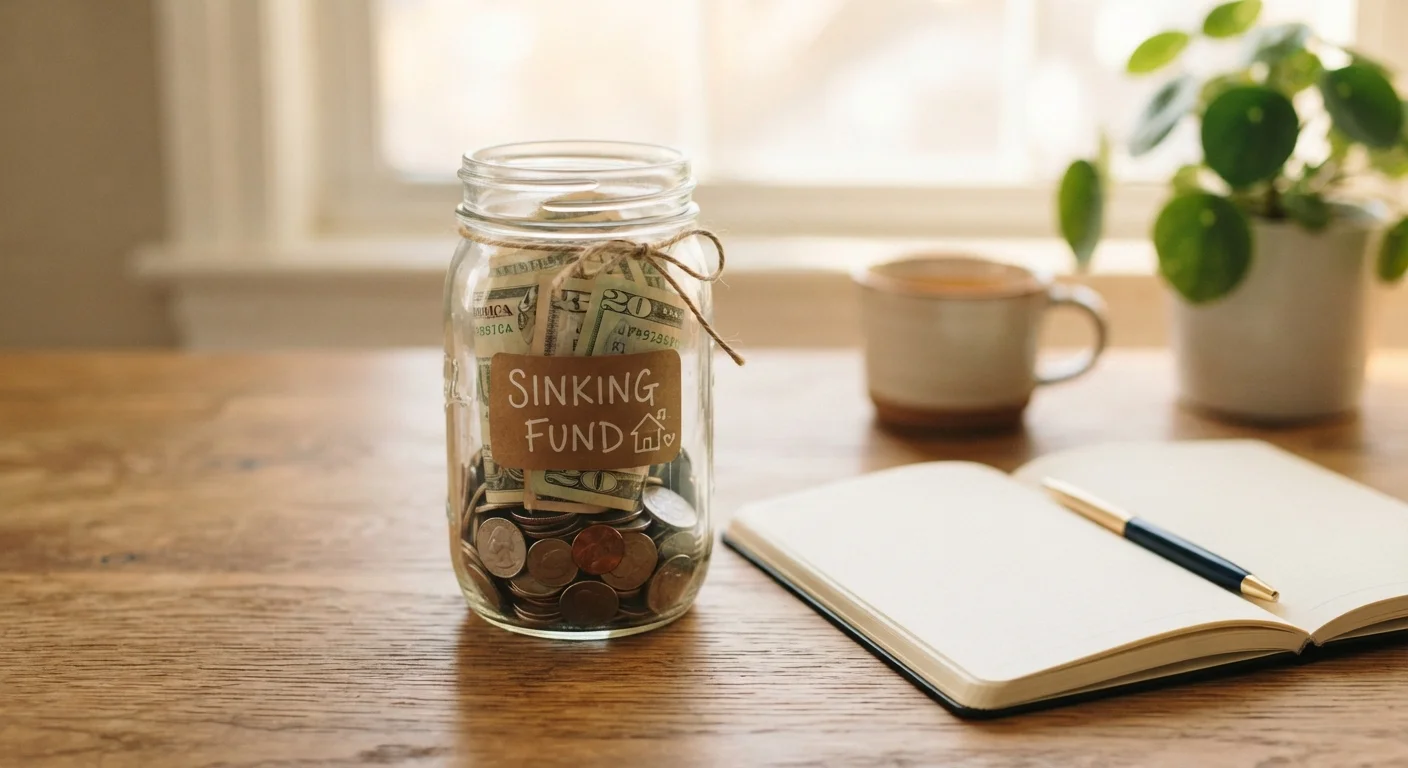
A sinking fund is a dedicated savings pool you build gradually over time to cover a specific, anticipated expense. Instead of scrambling when a large bill arrives, you set aside a fixed amount each month until you have exactly what you need. Common uses include annual car registration, holiday gifts, home repairs, or a planned vacation.
In corporate finance, the term refers to funds set aside to retire debt obligations; in personal finance, it simply describes purpose-driven, goal-specific savings accounts.
Why Predictable Expenses Still Catch People Off Guard
Car registration. Holiday gifts. Annual homeowner's insurance. A dental visit not fully covered by insurance. These costs aren't surprises - they happen on a schedule. Yet millions of Americans end up reaching for a credit card when they arrive, then spend months paying off the interest.
The problem isn't that these expenses are unpredictable. The problem is that most monthly budgets aren't designed to absorb large, irregular costs. A sinking fund closes that gap by converting a one-time annual expense into a small, manageable monthly savings habit.
For a broader look at how savings and debt payoff strategies fit together, see our full savings and debt guide.
~56%
Americans unable to cover a $1,000 emergency from savings
According to Bankrate survey data, more than half of U.S. adults report they would need to borrow or use credit to cover an unexpected $1,000 expense.
22%+
Average credit card APR in the U.S.
Federal Reserve data shows average credit card interest rates have climbed significantly, making debt-funded irregular expenses far more costly than pre-funding them.
How a Sinking Fund Actually Works
The mechanics are straightforward. You identify an upcoming expense, estimate its cost, set a deadline, and divide the total by the number of months remaining. That monthly figure becomes an automatic transfer into a dedicated account.
For example: You expect to spend $900 on holiday gifts in December. If you start in June, that's six months away. Saving $150 per month puts you at $900 by the time the bills arrive - no credit card needed.
The dedicated account piece matters. Money sitting in your general checking account tends to get spent. A separate, labeled savings account - even at the same bank - creates a psychological and practical barrier that helps the balance grow undisturbed.
You can maintain multiple sinking funds at once, each targeting a different goal. See how to structure sinking funds for multiple irregular expenses in a way that fits a real monthly budget.
Name Your Accounts to Make Them Stick
Many online banks let you nickname savings accounts - try labels like 'Car Registration 2025' or 'Holiday Gifts.' Research on goal-setting suggests that naming a fund makes it feel more real and reduces the likelihood you'll spend the money impulsively. Even a simple label goes a long way.
Sinking Funds vs. Emergency Funds: An Important Distinction
These two savings tools are frequently confused, but they fill very different roles. An emergency fund exists for the unexpected - a job loss, a sudden medical bill, a car accident. A sinking fund exists for the expected - costs you can see coming on the calendar.
Mixing them creates a practical problem: every time you dip into a combined account for a planned expense, you erode the true safety net. When a genuine emergency arrives, the cushion may not be there.
Financial educators generally recommend building a small emergency fund first, then layering in sinking funds as your budget allows. Our guide to emergency funds covers the purpose, target size, and common misconceptions around that foundational account.
“Savings without a specific purpose tends to evaporate. When people attach a goal and a deadline to a savings account, they're far more likely to leave it alone and let it grow.”
— Certified Financial Planner (paraphrased consensus view), Personal finance planning professional
The Debt-Prevention Benefit You May Not Have Considered
Every time an irregular expense lands on a credit card and isn't paid off in full that month, it generates interest. A $600 car repair carried for six months on a card with an 22% APR costs roughly an additional $66 in interest - money that could have gone toward your actual goals.
Sinking funds aren't just a savings technique; they're a quiet debt-prevention strategy. By absorbing predictable costs before they hit, they protect your debt payoff progress and your emergency fund from being raided for non-emergencies.
If you're unsure whether a situation genuinely warrants tapping emergency savings, the emergency fund decision checklist can help you think it through systematically.
For practical daily spending decisions that support this kind of planning, visit our Everyday Money Tips hub.
This article is for general informational purposes only and does not constitute personalized financial advice. Consult a qualified financial professional regarding your individual circumstances.